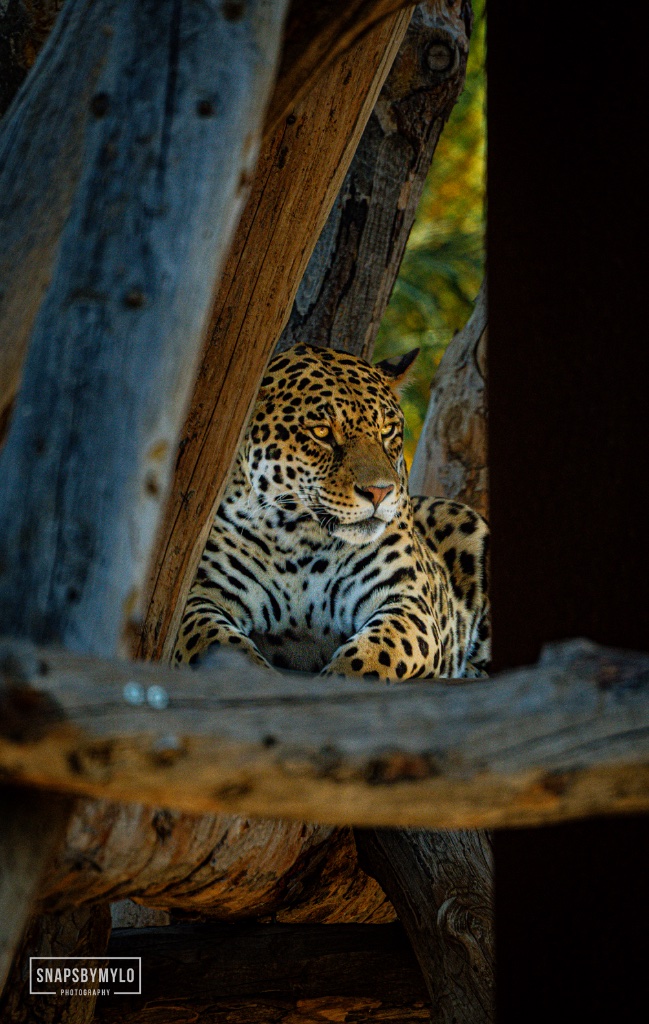
Panthera pardus
Leopard
The Leopard is classified as Vulnerable by the IUCN, with declining populations across Africa and Asia due to habitat loss, poaching, and human-wildlife conflict.
Conservation Status
The Leopard (Panthera pardus) is classified as Vulnerable on the IUCN Red List, with a decreasing population trend. Leopards have lost an estimated 48–67% of their historic range in Africa and 83–87% in Asia — they once ranged across virtually all of sub-Saharan Africa, the Middle East, and from Turkey through South and Southeast Asia to the Russian Far East, but are now extirpated from much of this territory. Several subspecies are in even greater peril: the Amur leopard (Panthera pardus orientalis) is Critically Endangered with approximately 100 individuals remaining in the wild in the Russian Far East and northeastern China — it is one of the most endangered large cats on Earth. The Arabian leopard (Panthera pardus nimr) is Critically Endangered with fewer than 200 individuals scattered across the Arabian Peninsula. The Sri Lankan leopard (Panthera pardus kotiya) and the Javan leopard (Panthera pardus melas) are both Endangered, with populations estimated at approximately 700–950 and 250 individuals respectively. The Indochinese leopard is functionally extinct across much of its former range in Southeast Asia.
Primary Threats
Habitat fragmentation is the most significant threat to leopards. As landscapes are converted to agriculture and human settlement, leopard populations become isolated, reducing genetic diversity and increasing the likelihood of human-leopard conflict. Retaliatory killing for livestock predation is a major source of mortality, particularly in South Asia and the Arabian Peninsula — leopards that prey on goats and cattle are often poisoned, trapped, or shot. Poaching for the illegal wildlife trade targets leopards for their skins (used for ceremonial and decorative purposes), bones (used in traditional Asian medicine as a substitute for tiger bones), and body parts. A 2016 study by TRAFFIC estimated that approximately 2,600–3,300 leopards were killed and traded illegally each year in India alone between 2001 and 2010 — more than any other large cat. The depletion of wild prey through bushmeat hunting forces leopards to prey on livestock, creating a cycle of conflict. In Africa, the bushmeat trade depletes the prey base and leopards are also killed as bycatch in snares set for other species. Trophy hunting remains legal in several African countries and is a subject of conservation debate.
Ecological Role
Leopards are the most adaptable of the large cats — they can survive in habitats ranging from rainforest to desert to montane forests, and they prey on over 90 different species, from dung beetles to wildebeest. This adaptability has helped them persist where other large cats have disappeared, but it also means they frequently come into contact with humans. As apex predators, they help regulate prey populations, and their presence is an indicator of ecosystem health. Leopards often scavenge and may suppress smaller predator populations through competition. In areas where larger predators like tigers and lions have been eliminated, leopards often become the top predator, making their conservation particularly important for maintaining ecosystem balance.
Conservation Efforts
Panthera operates the Leopard Programme, which focuses on research, anti-poaching, and mitigating human-wildlife conflict across leopard range in Africa and Asia. The Amur Leopard and Tiger Alliance (ALTA) is a collaborative effort between Russian and international organisations to protect the Amur leopard in the Russian Far East — the establishment of the Land of the Leopard National Park in 2012, covering approximately 262,000 hectares, significantly expanded protected habitat and has been credited with helping the Amur leopard population increase from approximately 30 individuals in 2007 to approximately 100 today. In India, the Wildlife Protection Act gives leopards the highest level of legal protection (Schedule I), and the National Tiger Conservation Authority has expanded its mandate to include leopard monitoring. The Saudi Arabian government, in partnership with Panthera, is working to protect the Arabian leopard through the establishment of protected areas and captive breeding. Conservation corridors that connect fragmented populations and community-based conflict mitigation programmes — including predator-proof livestock enclosures and compensation schemes — are critical to the species' long-term survival. The World Wide Fund for Nature (WWF) works on leopard conservation across range countries, with particular focus on the Amur and Arabian subspecies.
How to Help
Supporting leopard conservation organisations, advocating for stronger anti-poaching enforcement and penalties for wildlife crime, and supporting community-based conflict mitigation programmes all contribute. Choosing products that do not contribute to habitat destruction (such as sustainably sourced timber and agricultural products) helps preserve leopard habitat. Never purchasing leopard skins, bones, or other wildlife products is essential — demand reduction is one of the most effective conservation tools.
Conservation Charities
Organisations working to protect leopards. Visit their websites to learn more or support their work.