Conservation.
Factual, in-depth conservation profiles for each species in the SNAPSBYMYLO™ gallery — covering IUCN status, threats, and the work being done to protect them.
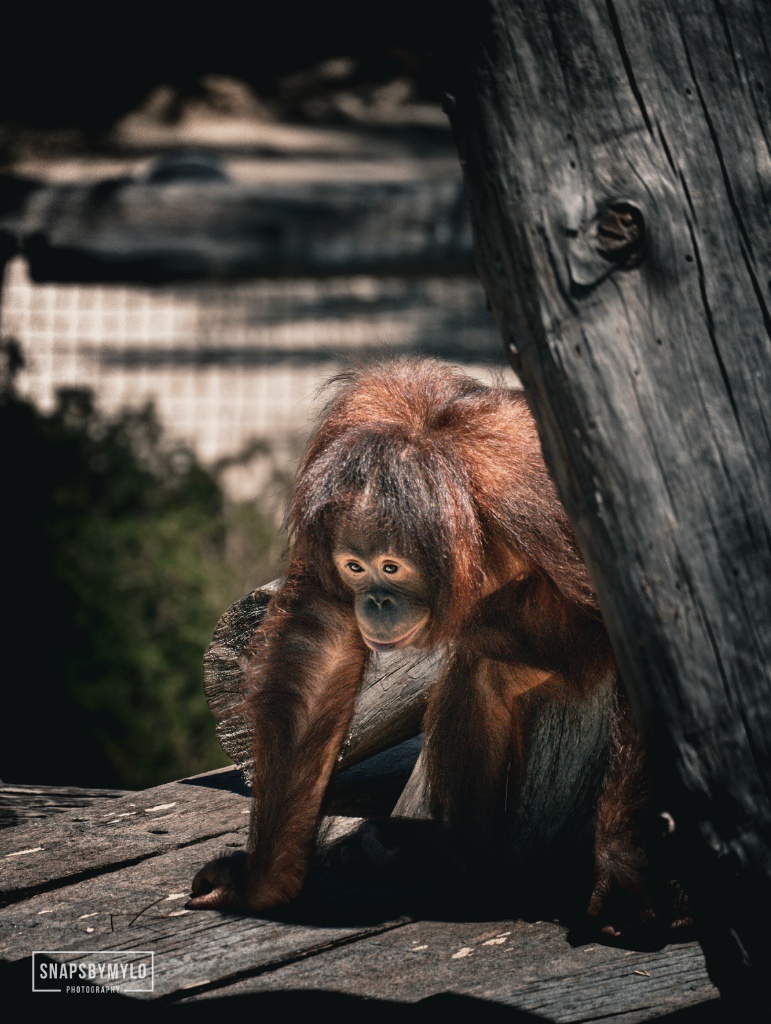 Critically Endangered
Pongo abelii (Sumatran), Pongo pygmaeus (Bornean), Pongo tapanuliensis (Tapanuli)
Orangutan
All three orangutan species are listed as Critically Endangered. Populations have declined sharply due to habitat loss from palm oil expansion and illegal logging.
Read More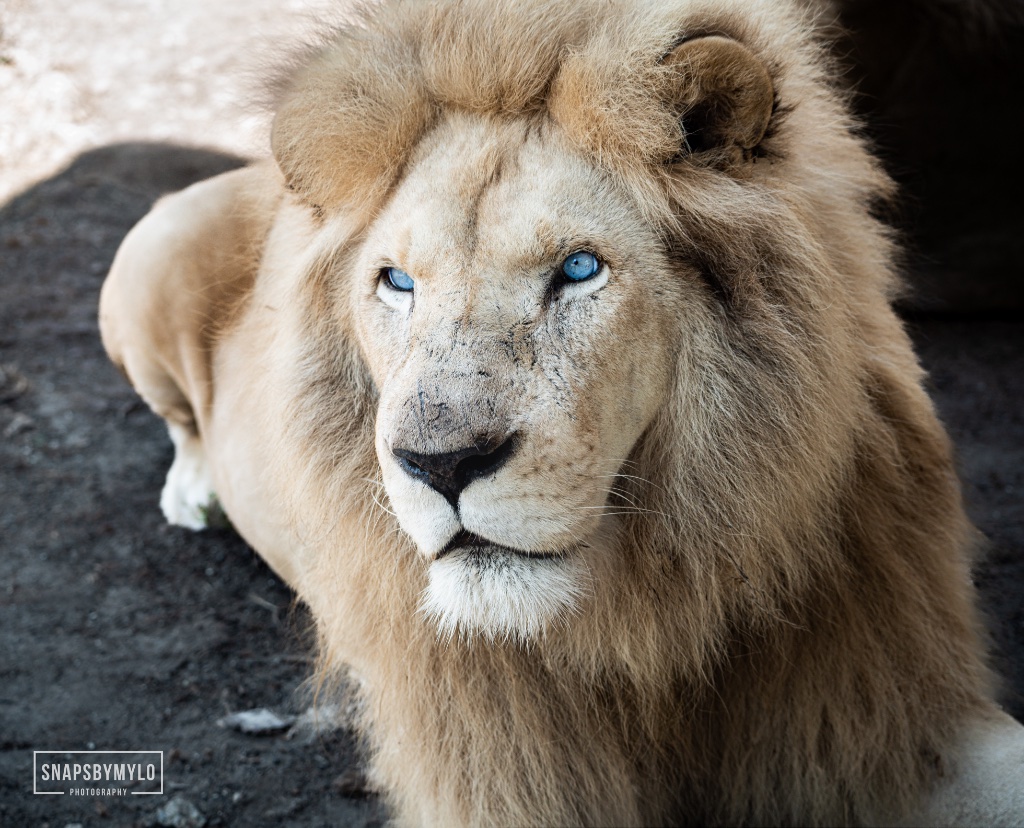 Vulnerable (African lion species)
Panthera leo (leucistic variant)
White Lion
White lions are not a separate species but a rare colour variant of the African lion. The African lion is classified as Vulnerable, with populations declining across much of its range.
Read More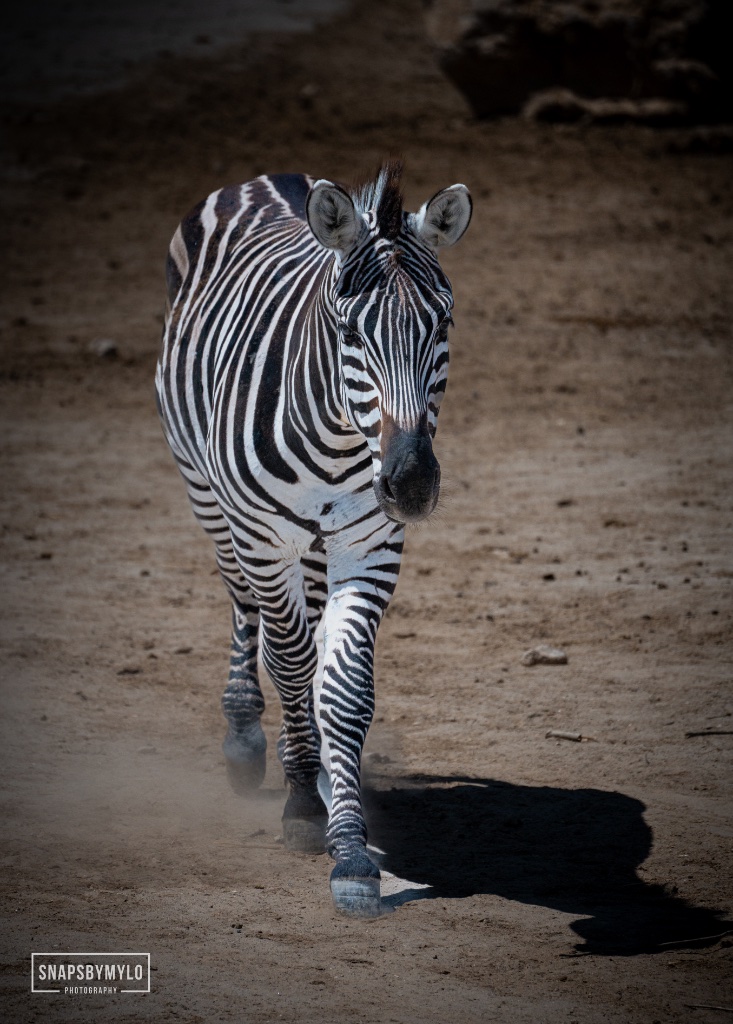 Varies by species (Near Threatened to Endangered)
Equus quagga (Plains), Equus zebra (Mountain), Equus grevyi (Grevy)
Zebra
There are three zebra species, each with different conservation status. The Grevy zebra is Endangered, the Mountain zebra is Vulnerable, and the Plains zebra is Near Threatened.
Read More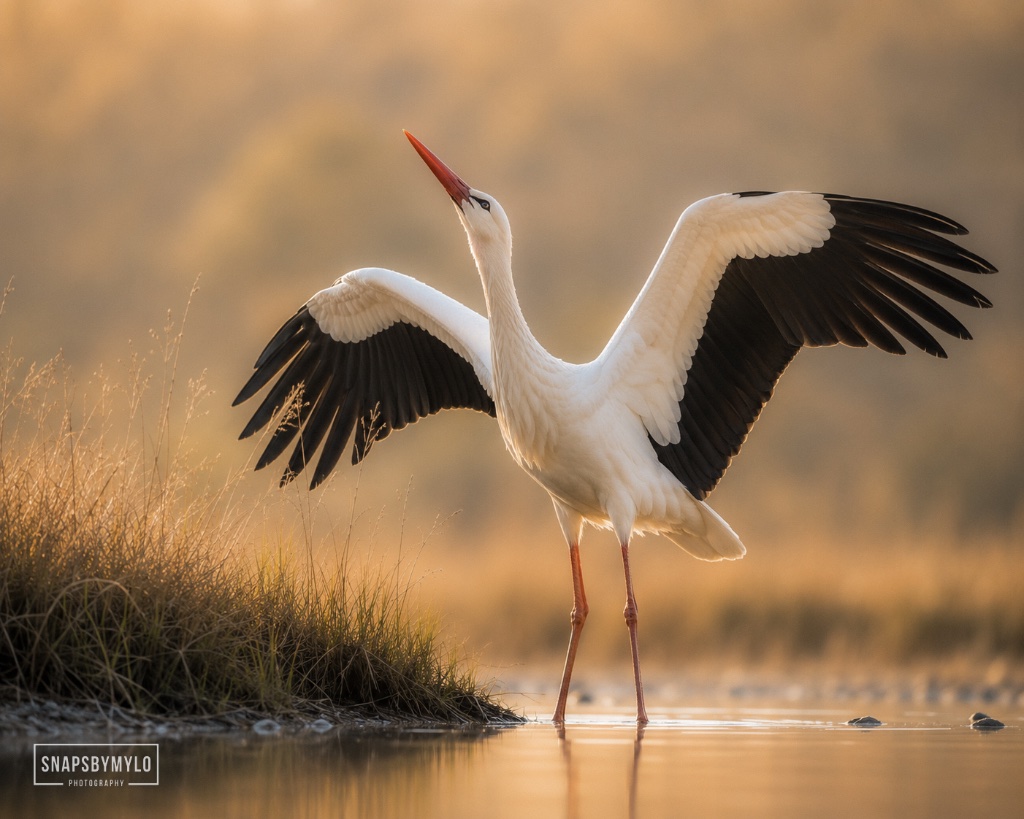 Least Concern
Ciconia ciconia
White Stork
The White Stork is classified as Least Concern with an increasing global population, though it faces regional threats from habitat loss, power line collisions, and climate-driven changes to migration.
Read More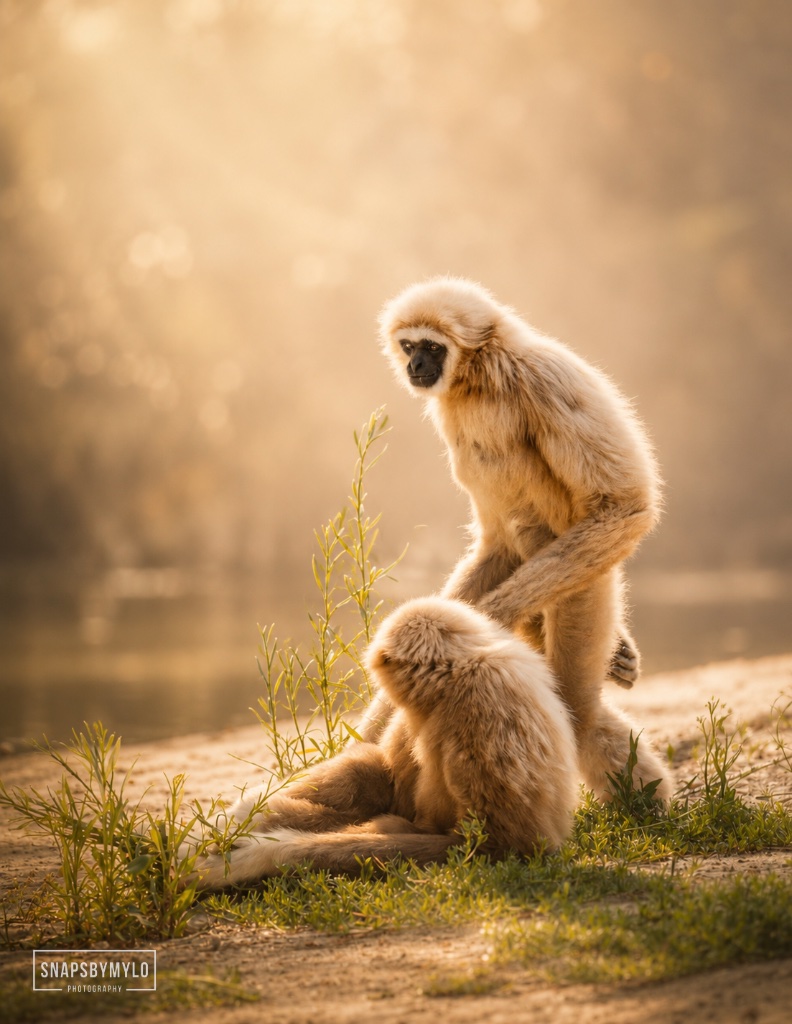 Endangered to Critically Endangered (most species)
Hylobatidae family (multiple species)
Gibbon
Gibbons are among the most threatened primates. Most gibbon species are Endangered or Critically Endangered, primarily due to habitat loss and the illegal pet trade.
Read More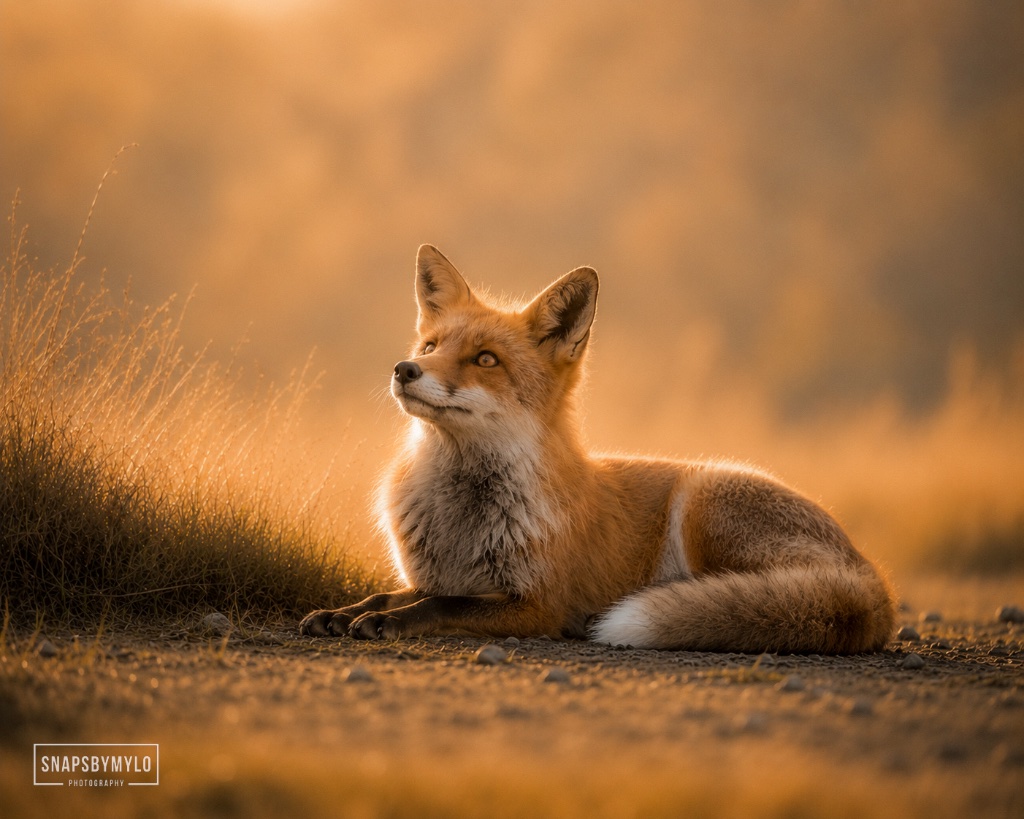 Least Concern
Vulpes vulpes
Red Fox
The Red Fox is the most widely distributed wild carnivore in the Northern Hemisphere and is classified as Least Concern, with stable and even expanding global populations.
Read More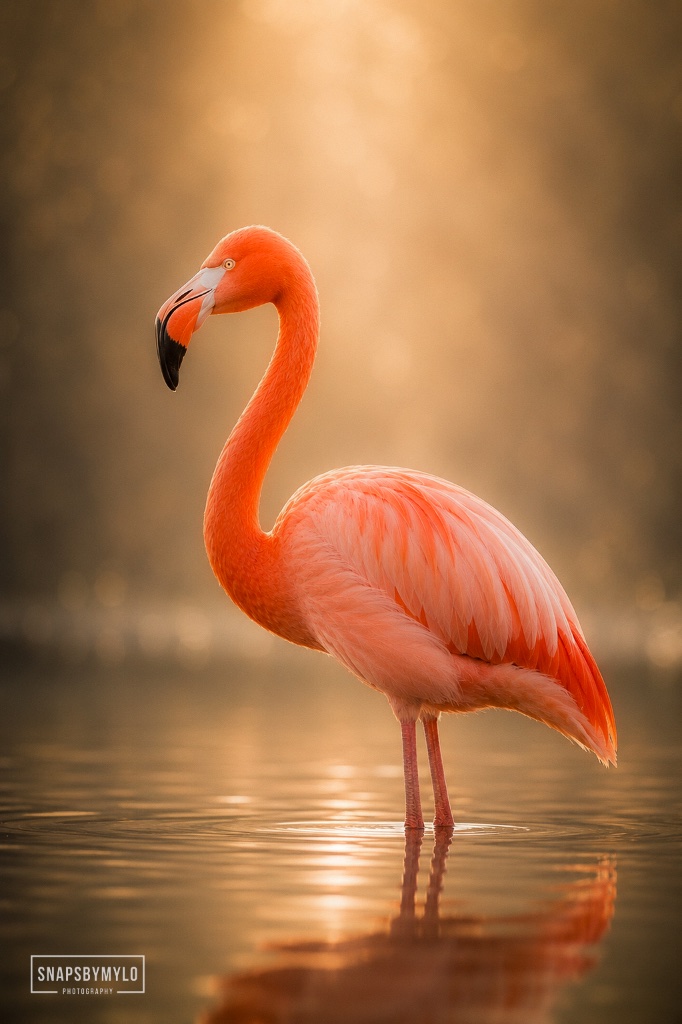 Least Concern to Near Threatened (varies by species)
Phoenicopteridae family (six species)
Flamingo
There are six flamingo species. Most are Least Concern, but the Lesser Flamingo is Near Threatened, and all species rely on fragile saline wetland habitats that are increasingly under pressure.
Read More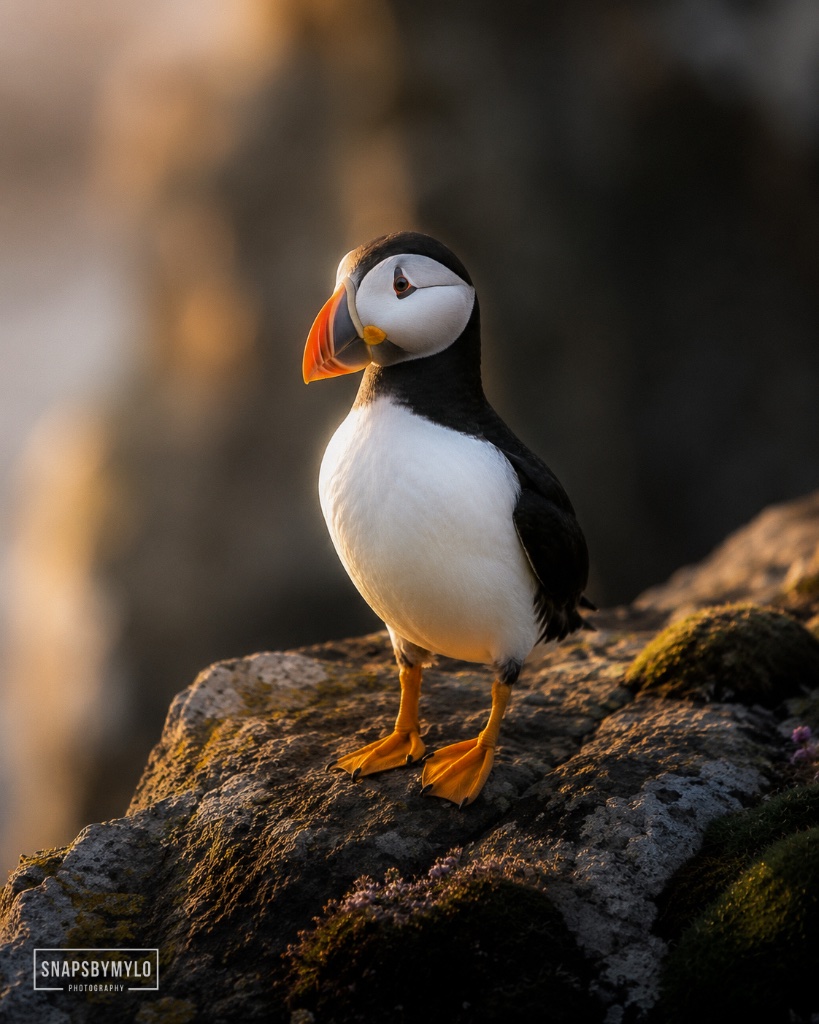 Vulnerable
Fratercula arctica
Atlantic Puffin
The Atlantic Puffin was uplisted to Vulnerable in 2015. Populations have declined significantly, driven largely by climate change impacts on prey fish and breeding failures.
Read More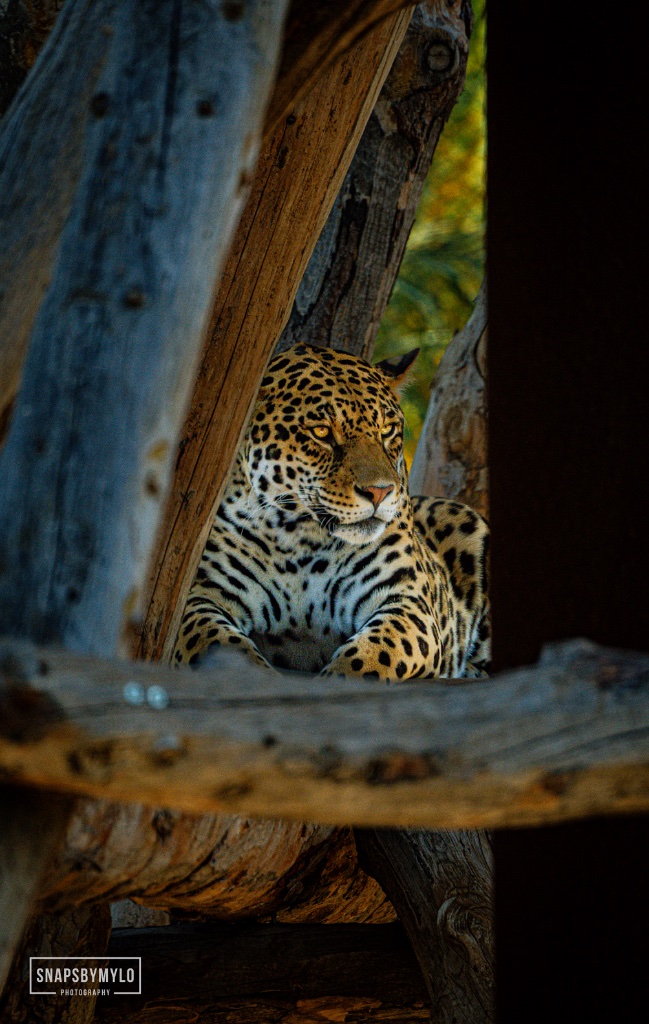 Vulnerable
Panthera pardus
Leopard
The Leopard is classified as Vulnerable by the IUCN, with declining populations across Africa and Asia due to habitat loss, poaching, and human-wildlife conflict.
Read More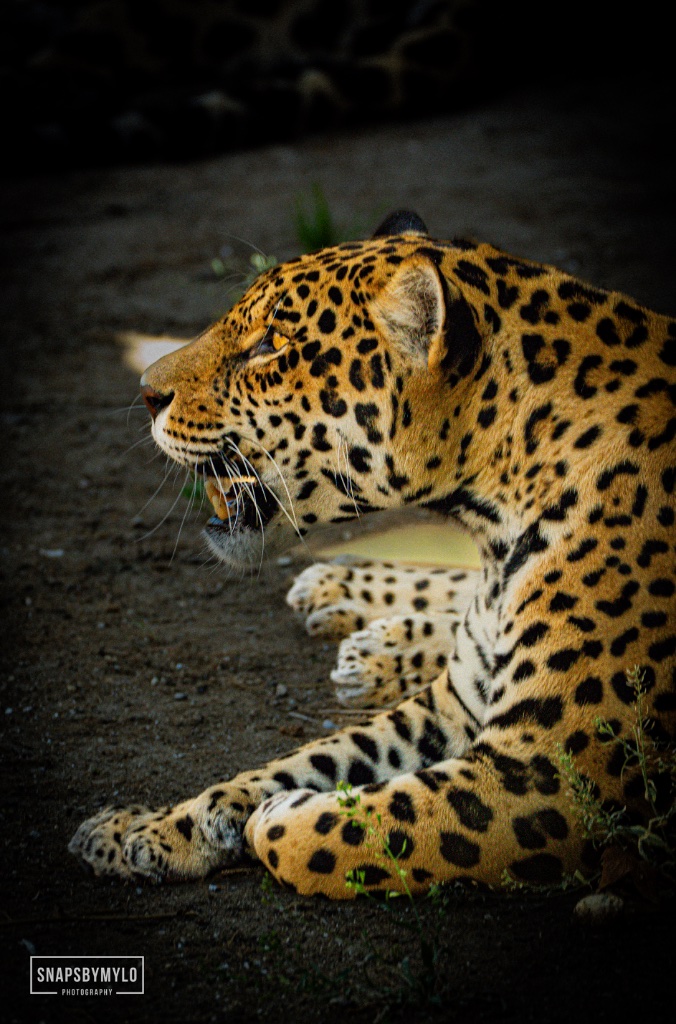 Near Threatened
Panthera onca
Jaguar
The Jaguar is the largest cat in the Americas and is classified as Near Threatened, with populations declining due to deforestation, poaching, and conflict with ranchers.
Read More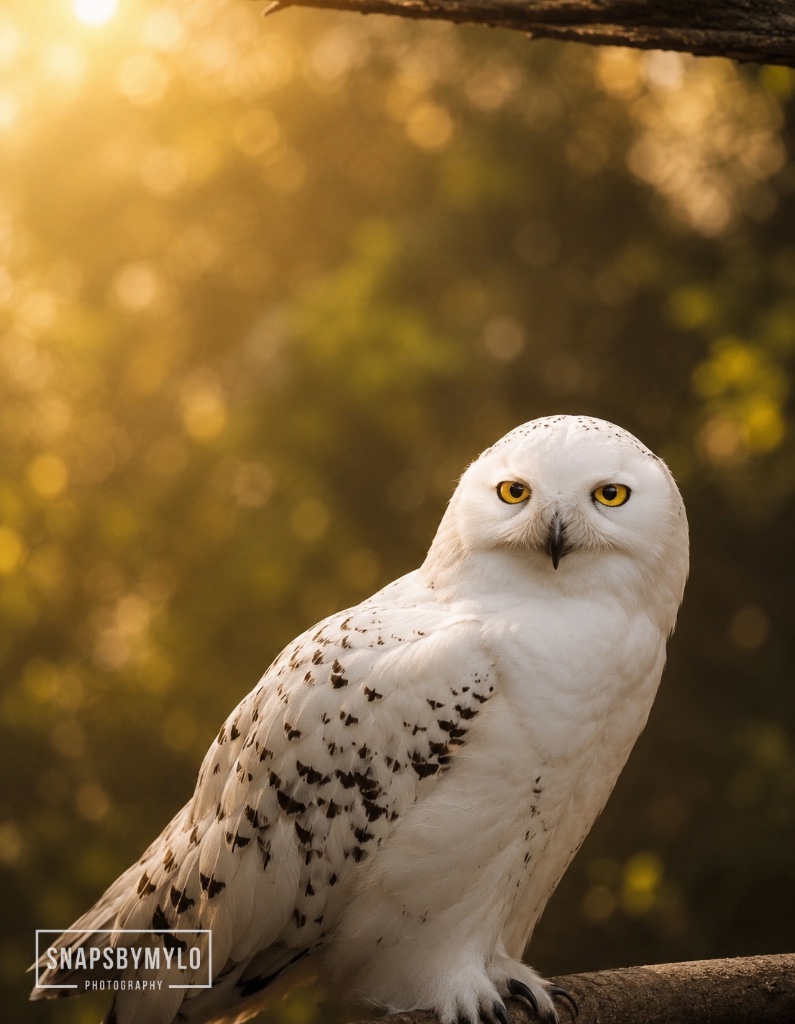 Vulnerable
Bubo scandiacus
Snowy Owl
The Snowy Owl was uplisted to Vulnerable in 2017. Climate change is altering its Arctic breeding habitat and the lemming population cycles it depends on for food.
Read More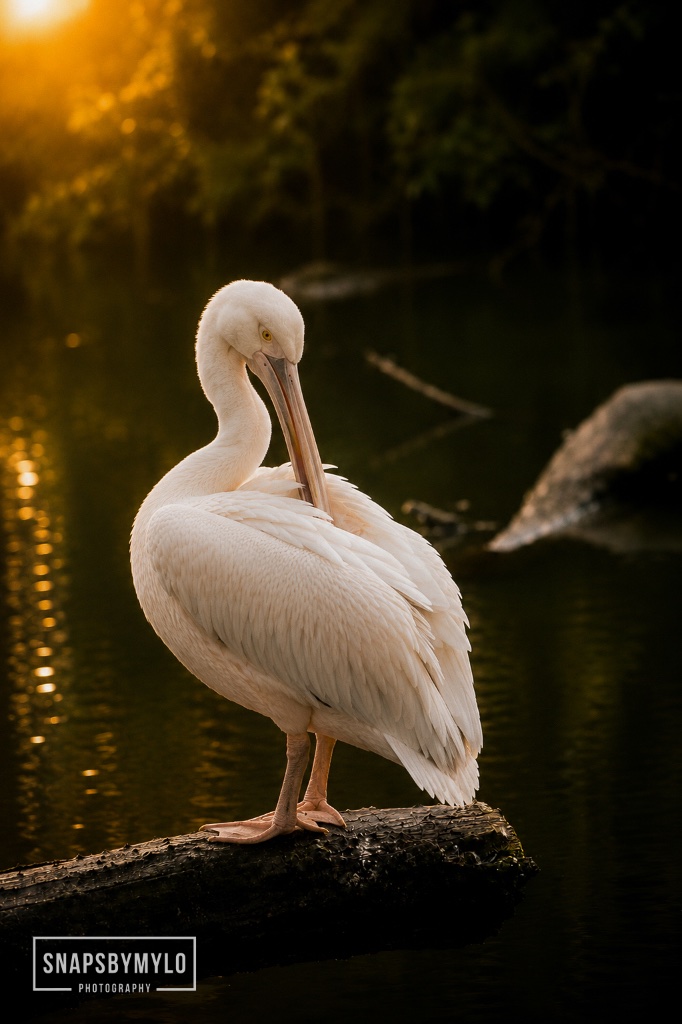 Least Concern
Pelecanus onocrotalus
White Pelican
The Great White Pelican is classified as Least Concern, but it depends on fragile wetland and lake habitats that face growing pressure from water abstraction, pollution, and disturbance.
Read More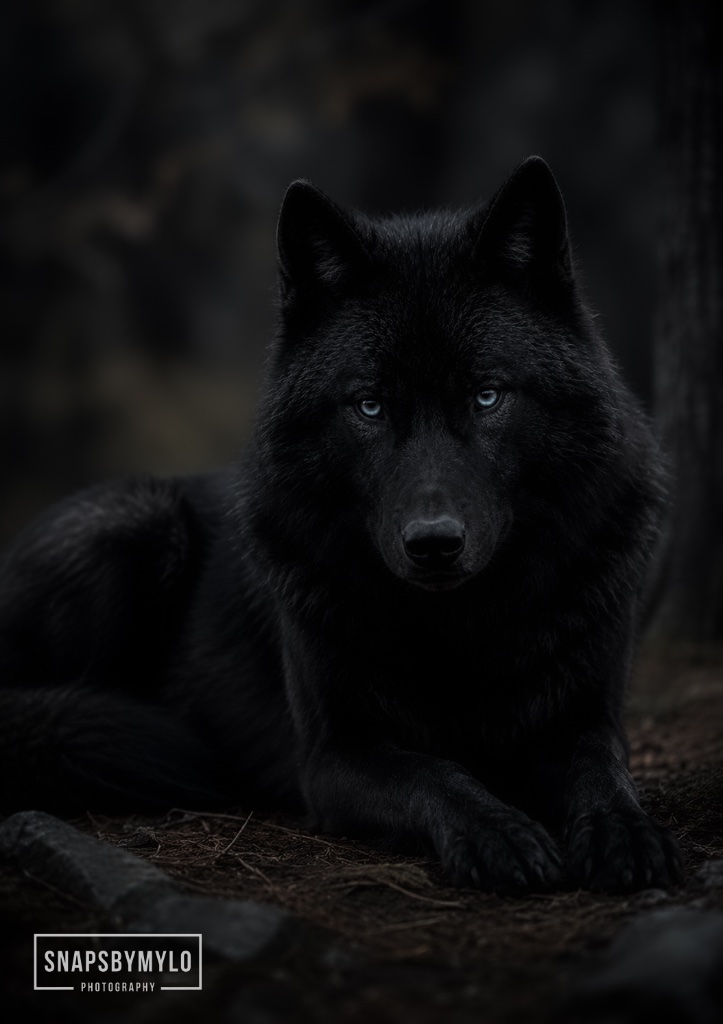 Least Concern (Gray wolf species)
Canis lupus (melanistic variant)
Black Wolf
Black wolves are not a separate species — they are gray wolves with a melanistic coat variant. The gray wolf is classified as Least Concern globally, but regional populations vary widely in status.
Read More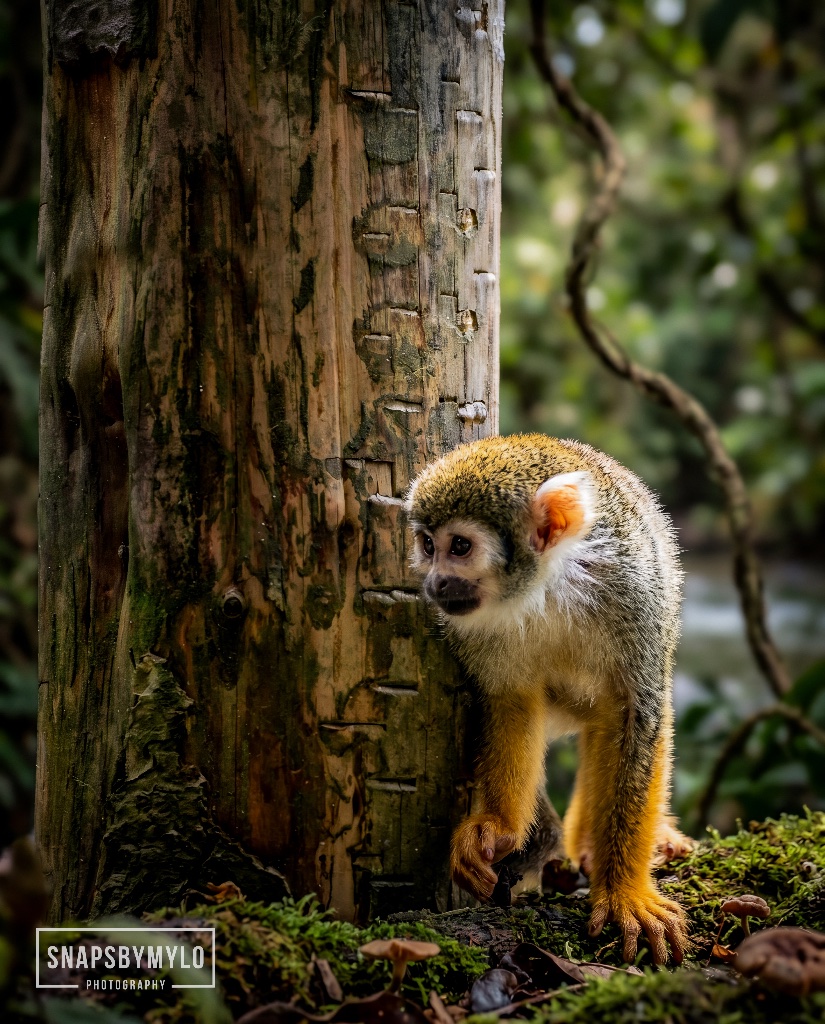 Least Concern to Vulnerable (varies by species)
Saimiri (multiple species)
Squirrel Monkey
There are several species of squirrel monkey in the genus Saimiri. Most are classified as Least Concern, though the Central American squirrel monkey is Vulnerable and all species face pressure from habitat loss and the illegal pet trade.
Read More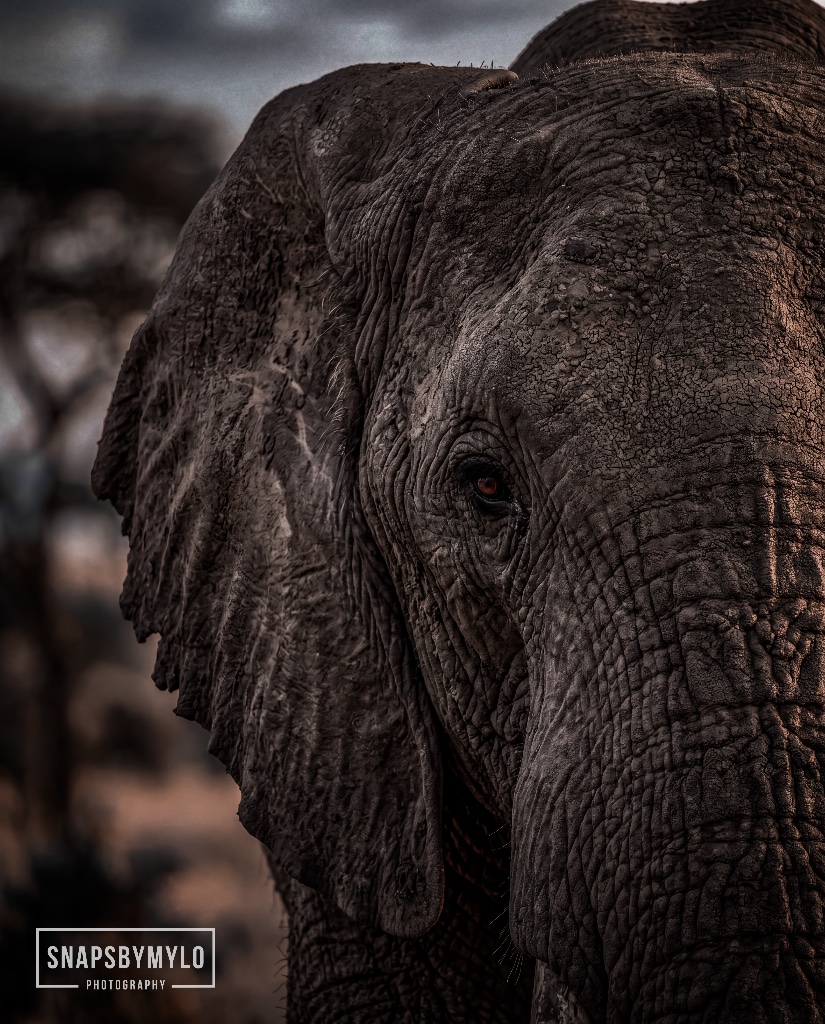 Endangered
Loxodonta africana
African Elephant
The African elephant is the largest land animal on Earth. Once numbering in the millions across sub-Saharan Africa, decades of poaching for ivory and habitat loss have reduced populations dramatically. The species was uplisted from Vulnerable to Endangered on the IUCN Red List in 2021.
Read More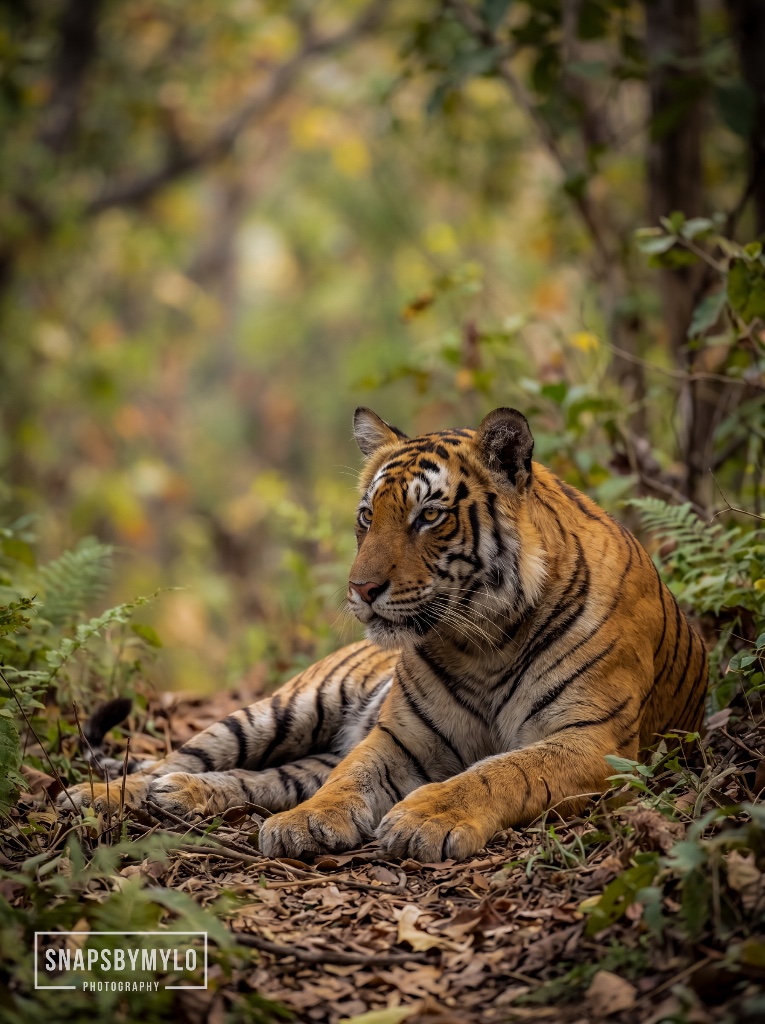 Endangered
Panthera tigris
Tiger
The tiger is the largest cat species on Earth and is classified as Endangered. Wild populations have declined by over 95% in the last century, with fewer than 4,500 individuals remaining across all six surviving subspecies.
Read More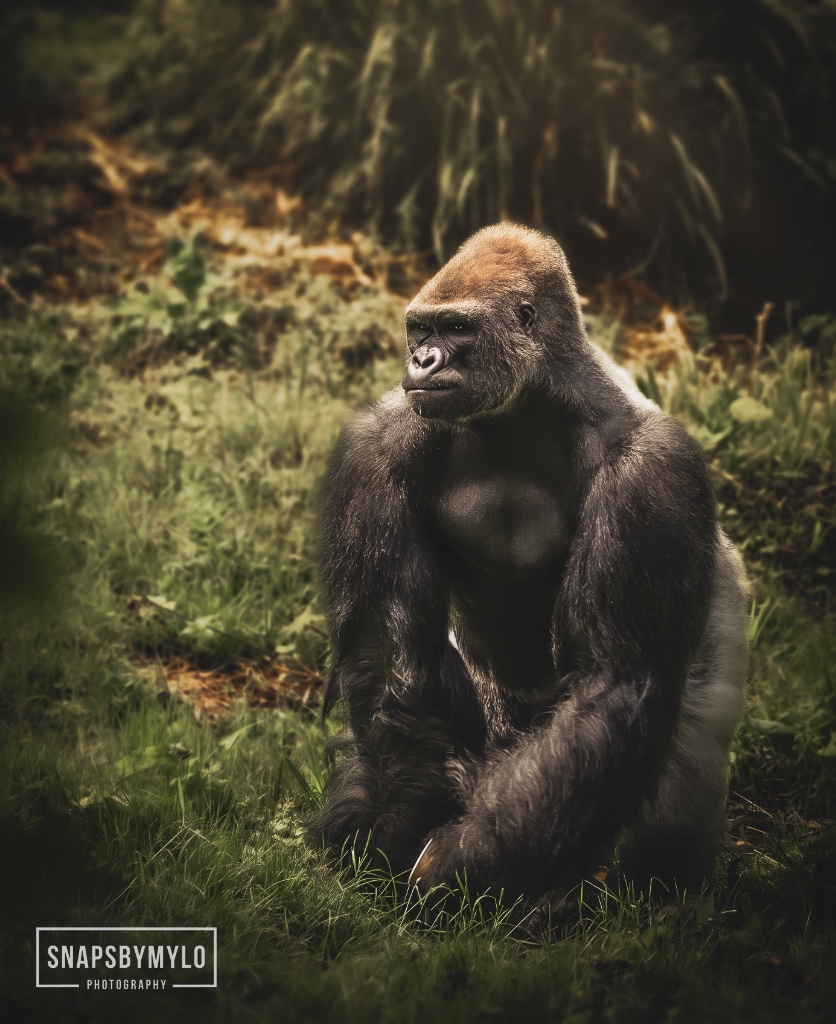 Critically Endangered (Western lowland & Cross River) to Endangered (Mountain)
Gorilla gorilla (Western), Gorilla beringei (Eastern)
Gorilla
Gorillas are the largest living primates and one of our closest relatives. Both species — the Western gorilla and the Eastern gorilla — are threatened with extinction, driven by habitat loss, poaching, and disease.
Read More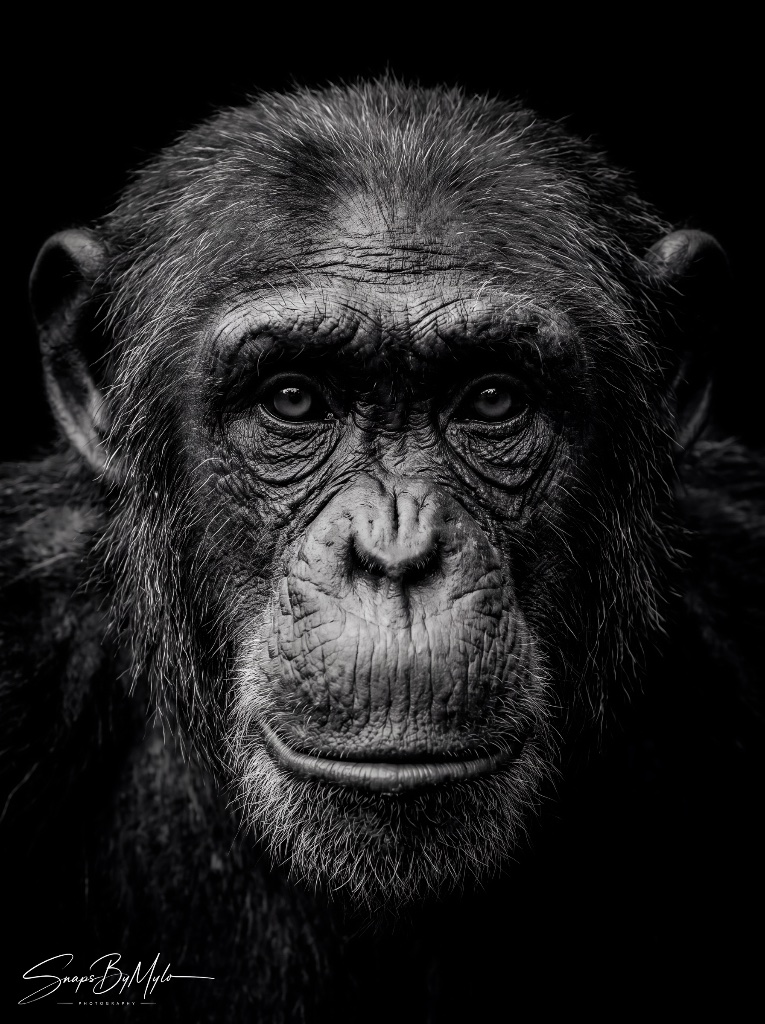 Endangered
Pan troglodytes
Chimpanzee
The chimpanzee is one of our closest living relatives, sharing approximately 98.7% of our DNA. Classified as Endangered, chimpanzee populations have declined significantly due to habitat loss, poaching, disease, and the illegal pet trade.
Read More