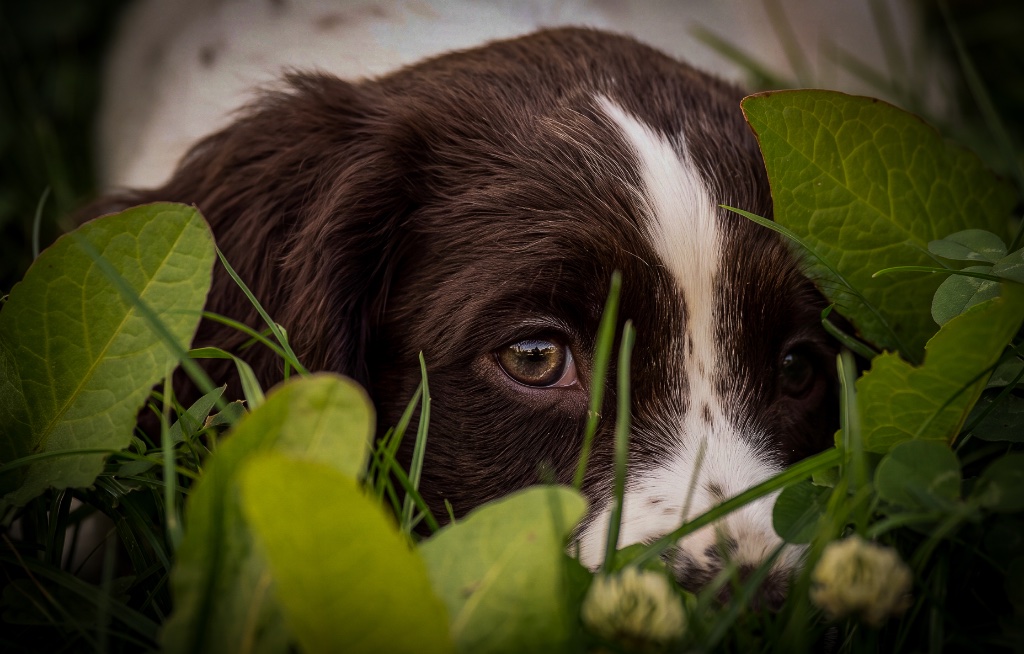
Conservation Dog in Training
Falkor the Spaniel
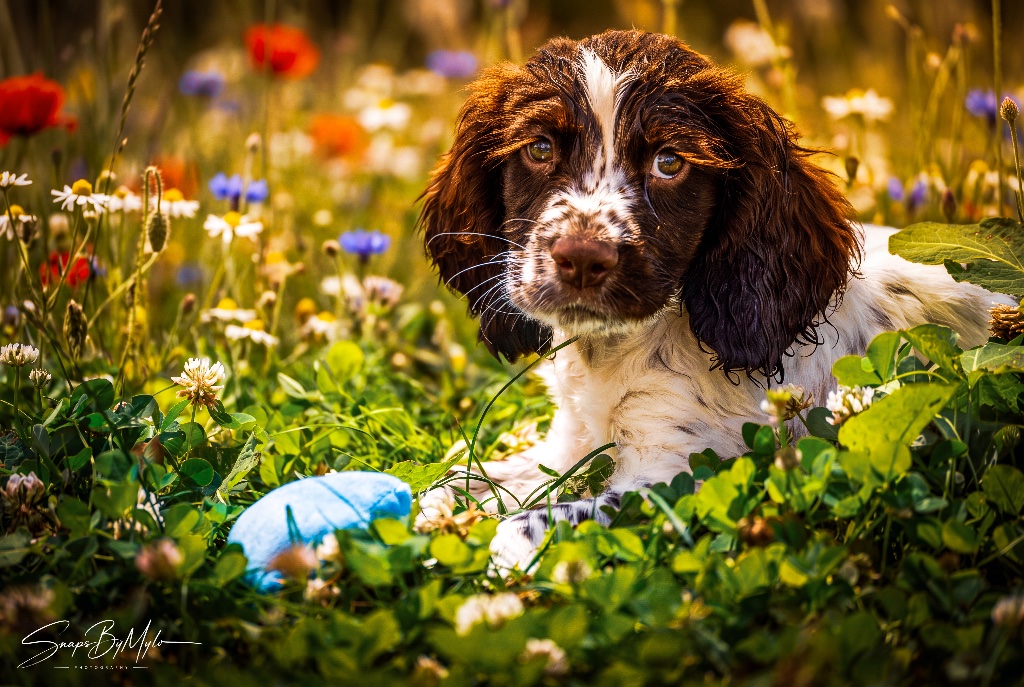
Meet the liver and white Cocker Spaniel who will become an active part of my British wildlife conservation work.
Introduction
Conservation Begins With a Nose
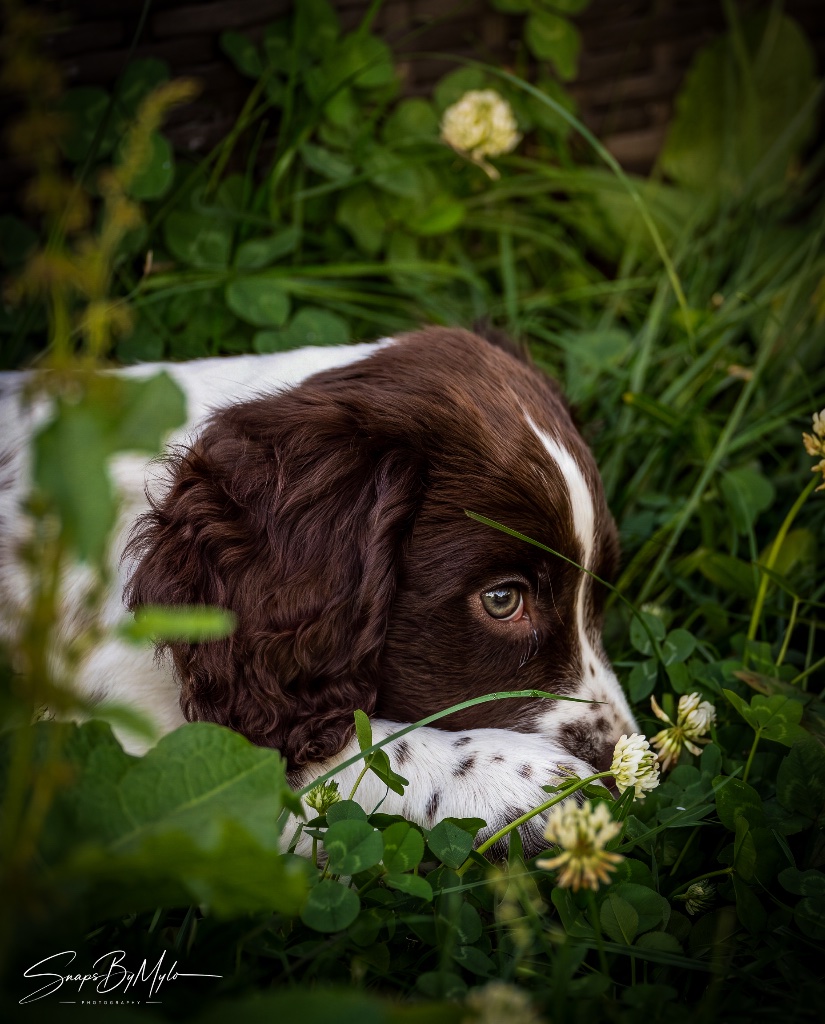
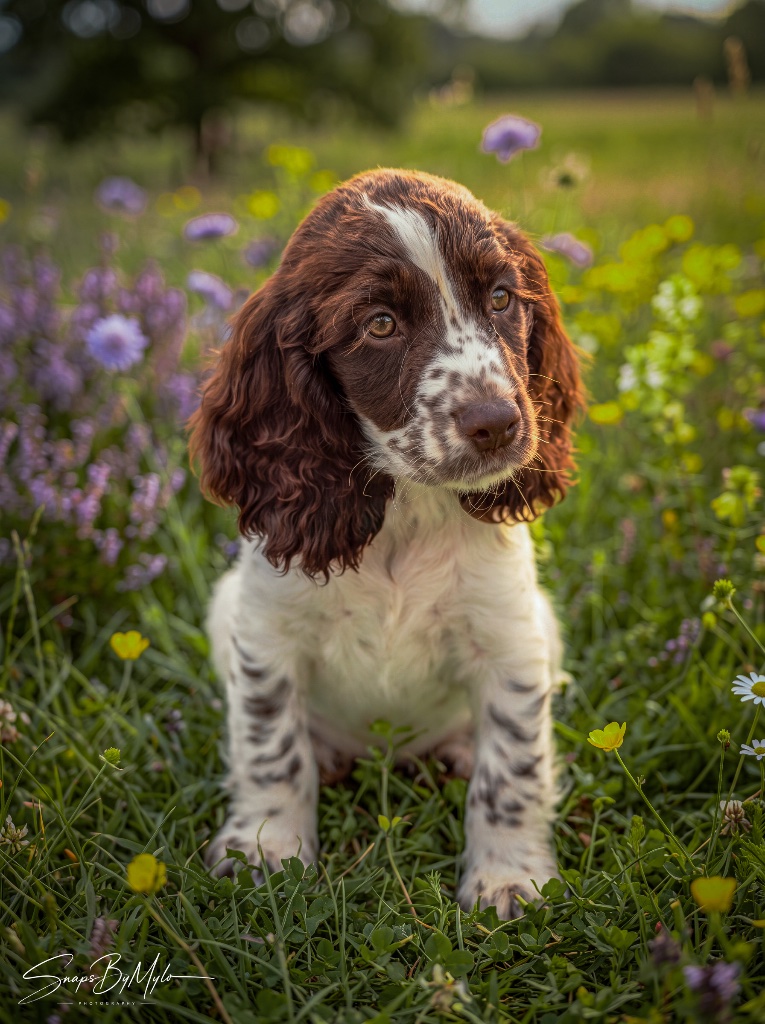
Falkor is a liver and white Cocker Spaniel and the newest member of my conservation work.
He is not simply going to accompany me on walks or appear in photographs. As he grows, Falkor will be trained to become an active conservation dog, using his natural scenting ability to support wildlife detection, ecological surveys, biodiversity recording and conservation education.
Spaniels are intelligent, energetic and highly motivated working dogs. Their exceptional sense of smell, compact size, stamina and enthusiasm for searching make them particularly well suited to conservation detection work.
Falkor's training will begin with obedience, recall, environmental confidence and scent games. Over time, he will learn to recognise selected scents and provide a calm indication when he finds them.
Conservation Detection
Why Spaniels Are Used in Conservation
Conservation detection dogs help researchers locate wildlife, biological evidence and invasive species that can be extremely difficult for people to find. Working spaniels are especially effective because they combine an excellent sense of smell with agility, stamina, intelligence and a strong desire to work with their handler.
Exceptional Scent Detection
Spaniels can be trained to recognise specific scents connected to animals, droppings, nests, feathers, invasive plants and other biological material.
Searching Difficult Habitats
Their compact size and agility allow them to work through long grass, woodland, wetlands, scrubland and other challenging habitats.
Minimal Wildlife Disturbance
A trained conservation dog can often locate scent or evidence left behind by wildlife without needing to approach or handle the animal.
Efficient Field Surveys
Dogs can search large areas methodically and may locate evidence that human surveyors could easily miss.
Controlled Indication
Rather than chasing or retrieving wildlife, a conservation dog can be trained to stop and calmly indicate the location of a target scent.
Public Conservation Education
Working dogs can help people understand ecological science and create an engaging way to teach children and adults about British wildlife.
Falkor's Future Work
Falkor's Future Conservation Work
Falkor's training will be gradual, ethical and based around his individual development. He will first build the obedience, confidence and control required to work safely before progressing to structured scent detection.
As his abilities develop, Falkor may actively support conservation work involving the following areas.
Great Crested Newts
Falkor may be trained to detect scent associated with great crested newts and help support carefully controlled surveys of suitable terrestrial habitat.
Any work involving this protected species will only take place with the appropriate licences, permissions and professional ecological supervision.
Hedgehogs
Falkor may help locate hedgehogs concealed in long vegetation before habitat management, grass cutting or conservation work begins.
This type of detection can help reduce the risk of animals being injured by machinery or disturbed during habitat work.
Otter Evidence
He may be trained to locate otter spraint and scent evidence along rivers and wetlands.
This evidence can help conservationists confirm species presence, understand habitat use and contribute to population monitoring.
Water Voles
Falkor may support searches for water vole droppings, feeding remains and other scent evidence around suitable riverbank habitats.
Bat Survey Evidence
He may assist with controlled searches for bat droppings and other evidence around suitable buildings, trees and habitats.
Wildlife Scat Detection
Animal droppings can provide valuable information about species presence, diet, genetics, health and population distribution. Falkor may eventually help locate scat from selected British mammals for research and monitoring.
Invasive Species Detection
Conservation dogs can be trained to find invasive plants, animals or biological material before they spread further through sensitive habitats.
Habitat and Biodiversity Surveys
Falkor may take part in structured searches across woodland, wetlands, grassland and coastal habitats, helping to identify wildlife evidence that is difficult for humans to detect.
Falkor will not be trained to chase, flush, capture or harass wildlife. His role will be to search, detect and calmly indicate.
Training Journey
From Puppy to Conservation Dog
This section documents Falkor's development from his earliest puppy training through to his future scent work, field experience and conservation projects.
Settling Into His New Home
Falkor begins developing confidence, trust and a strong working relationship with his family and future handler.
Learning His Name and Recall
Building the communication and control required for safe future conservation work.
Introduction to Scent Games
Using reward-based games to encourage Falkor's natural searching ability.
Exploring New Environments
Gradually introducing woodland, wetlands, coastlines, different surfaces, wildlife scents and unfamiliar sounds.
Learning a Target Scent
Beginning structured training to recognise and indicate a selected conservation scent.
First Controlled Field Search
Using his training in a carefully managed real-world environment.
Field Journal
Falkor's Field Journal
Read regular updates about Falkor's development, scent training, wildlife education and future conservation work.
Conservation Ethics
Wildlife Always Comes First
Falkor's training and future conservation work will be based on positive reinforcement, responsible handling and respect for wildlife.
He will never be encouraged to chase, flush, corner or harass animals. His task will be to search for selected scents and provide a calm, trained indication when something has been located.
Any work involving protected species will only take place with the appropriate permissions, licences, ecological supervision and regard for current wildlife legislation and recognised best practice.
The purpose is not simply to find wildlife. It is to gather better information, improve habitat protection and reduce unnecessary disturbance.
Positive Reinforcement
Falkor's training will be reward-based and adapted to his development.
Controlled Searching
All field searches will be directed and managed by his handler.
No Wildlife Disturbance
Wildlife welfare will always take priority over photography, content or survey results.
Responsible Conservation
Protected-species work will follow the correct legal and professional requirements.
A Partnership
A Conservation Partnership
Falkor will work alongside Mylo Romero, a wildlife conservationist, global award-winning photographer and founder of the Dying To Live Conservation Trust.
Together, they will combine conservation detection, wildlife photography, education and storytelling to help people understand Britain's wildlife and the habitats it depends upon.
Their journey will be documented honestly, from Falkor's earliest puppy training to future controlled field surveys and conservation projects.
The aim is to show what conservation dogs can achieve while also explaining the patience, responsibility and ethical training required to develop one.
Support Falkor's Work
Help Fund Falkor's Conservation Work
Falkor's journey from puppy to conservation dog takes years of specialist training, scent work, field experience and veterinary care. Your one-time donation directly supports that work.
You are donating £10 to support Falkor's work.
Your donation helps fund specialist scent training, field equipment, veterinary care, travel to conservation sites and the daily costs of raising a working conservation dog.
On Instagram
Follow Falkor's Journey
Follow Falkor's daily development, photography, training and conservation journey on Instagram.
@falkorthespaniel
Follow @falkorthespaniel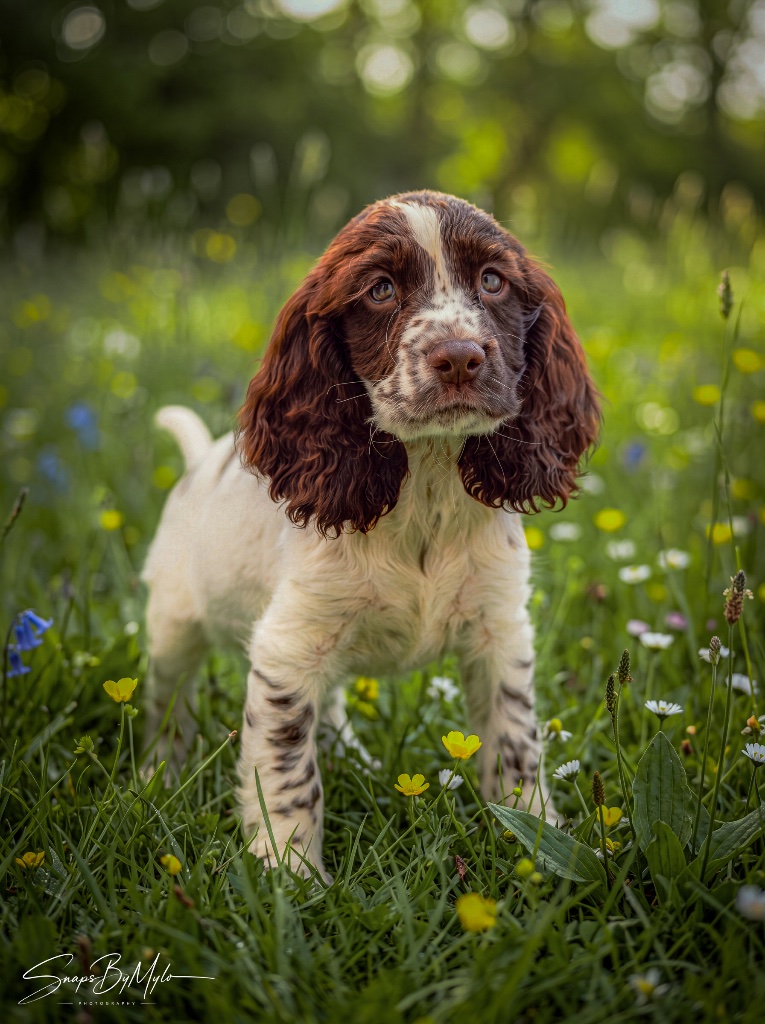
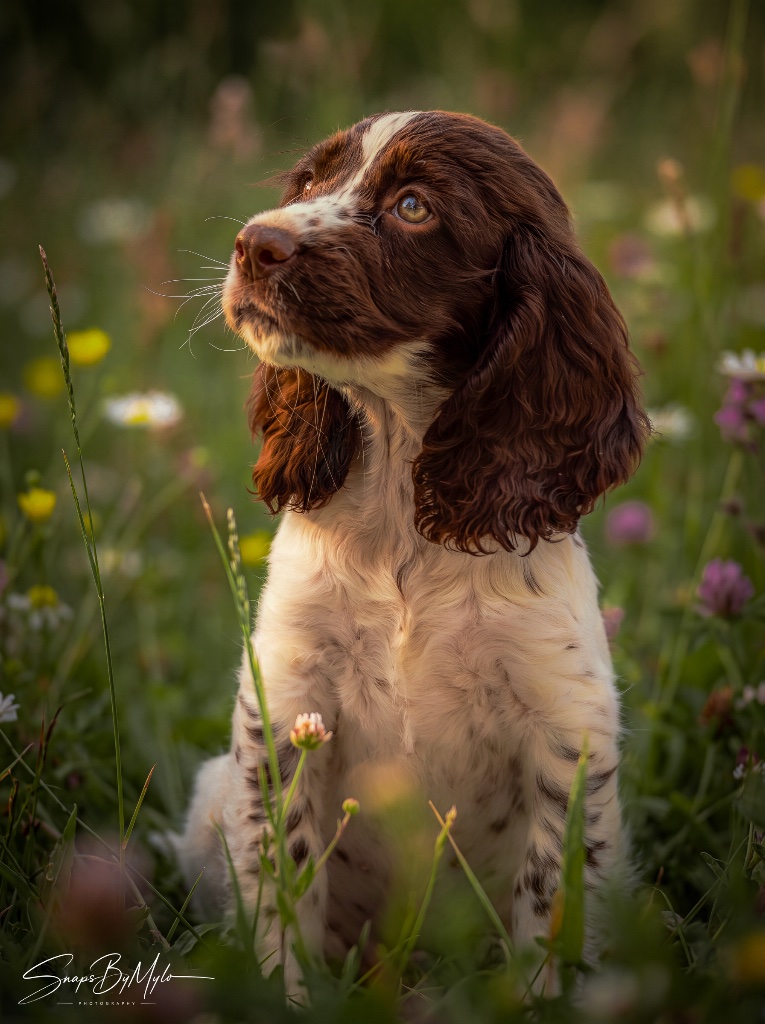
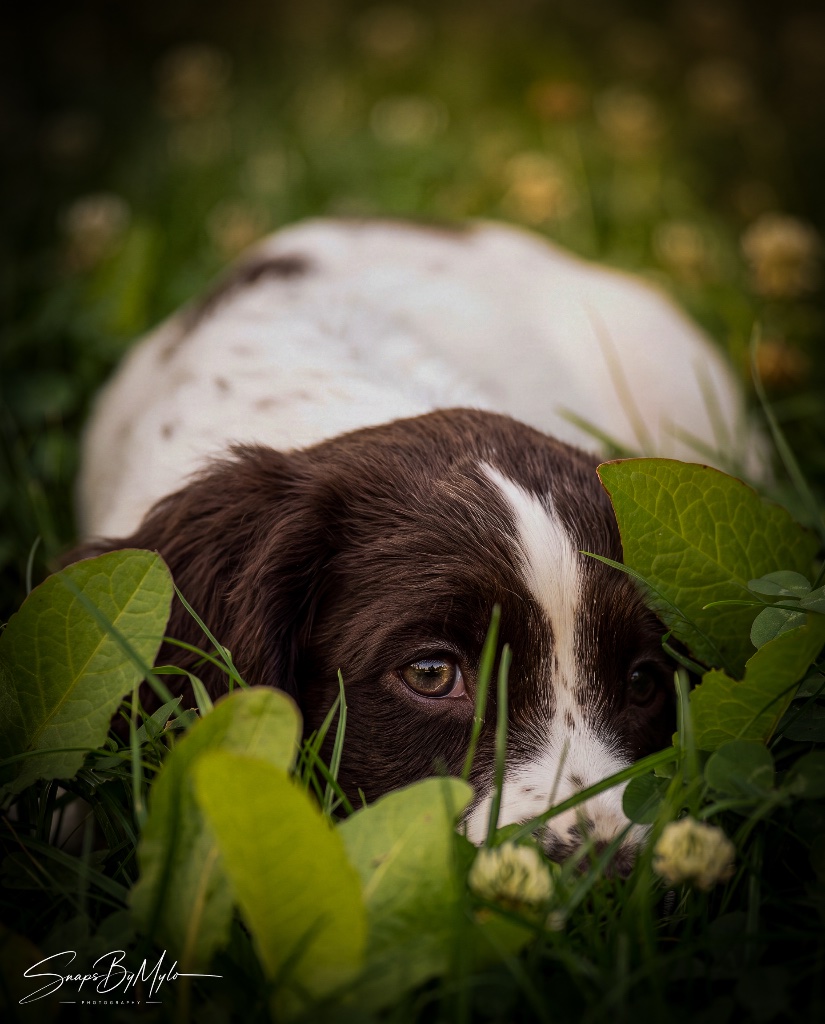
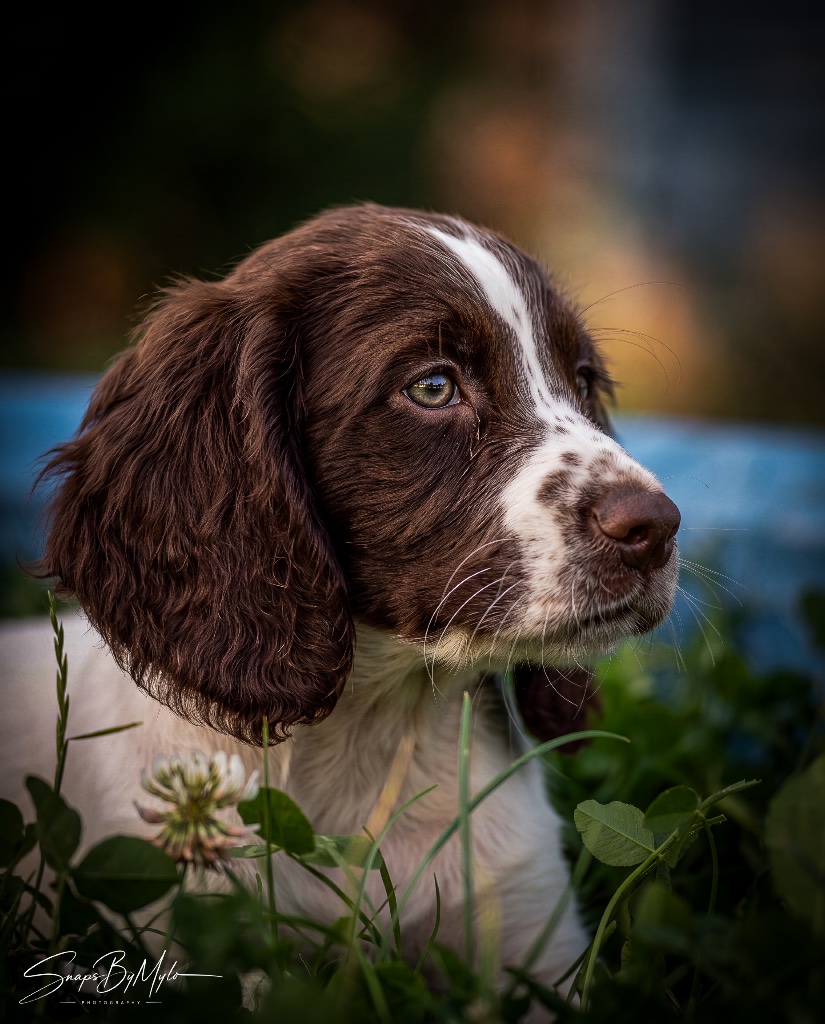
Every Conservation Dog Starts as a Puppy
Follow Falkor's journey as he develops the skills, confidence and partnership needed to become an active part of British wildlife conservation work.
Join the SNAPSBYMYLO™ list.
New preset drops, print releases, photography guides and Beautifully British features.