DYING TO LIVE
Conservation Trust
Protecting wildlife through education, photography and connection.
Founded by Mylo Romero
Founder
Meet Mylo Romero

Dying To Live Conservation Trust was founded by Mylo Romero — a wildlife photographer, conservation advocate and educator whose work sits at the intersection of science, storytelling and genuine compassion for the natural world.
Holding a Master of Science in Wildlife Biology & Conservation, Mylo Romero's approach is grounded not only in artistic instinct but in rigorous scientific understanding. His academic background provides a deep knowledge of animal behaviour, ecology, population dynamics and the complex environmental pressures driving species toward extinction. This foundation informs every photograph he takes and every conversation he has about the wildlife he documents.
What began as a fascination with capturing fleeting moments in nature evolved into something far greater — a lifelong commitment to using imagery as a force for conservation. Years spent in the field, observing species from orangutans in the rainforest canopy to elephants on the African savanna, revealed a truth that would shape everything that followed: that a single image can change how a person sees an animal, and that changed perception can change the world that animal lives in.
Mylo Romero's photography has taken him across diverse habitats and brought him face to face with some of the planet's most remarkable and most threatened species. Each encounter deepened his conviction that photography alone is not enough — that education, community engagement and accessible conservation messaging are essential if the images we create are to translate into meaningful protection for the animals they depict.
Dying To Live Conservation Trust is the realisation of that conviction — a platform built to bridge the gap between scientific understanding and public connection, making conservation feel personal, urgent and achievable for everyone, regardless of their background.
"People protect what they connect with."
— Mylo Romero
Founder · Wildlife Conservationist · Photographer
Dying To Live Conservation Trust
MSc
Wildlife Biology & Conservation
A Masters degree providing deep scientific understanding of animal behaviour, ecology, biodiversity and conservation science.
16+
Species Documented
From Critically Endangered orangutans to Vulnerable leopards, each photographed ethically and with minimal disturbance.
100%
Commitment to Ethics
No baiting, no staged scenarios, no interference. Every animal is observed on its own terms with welfare always first.
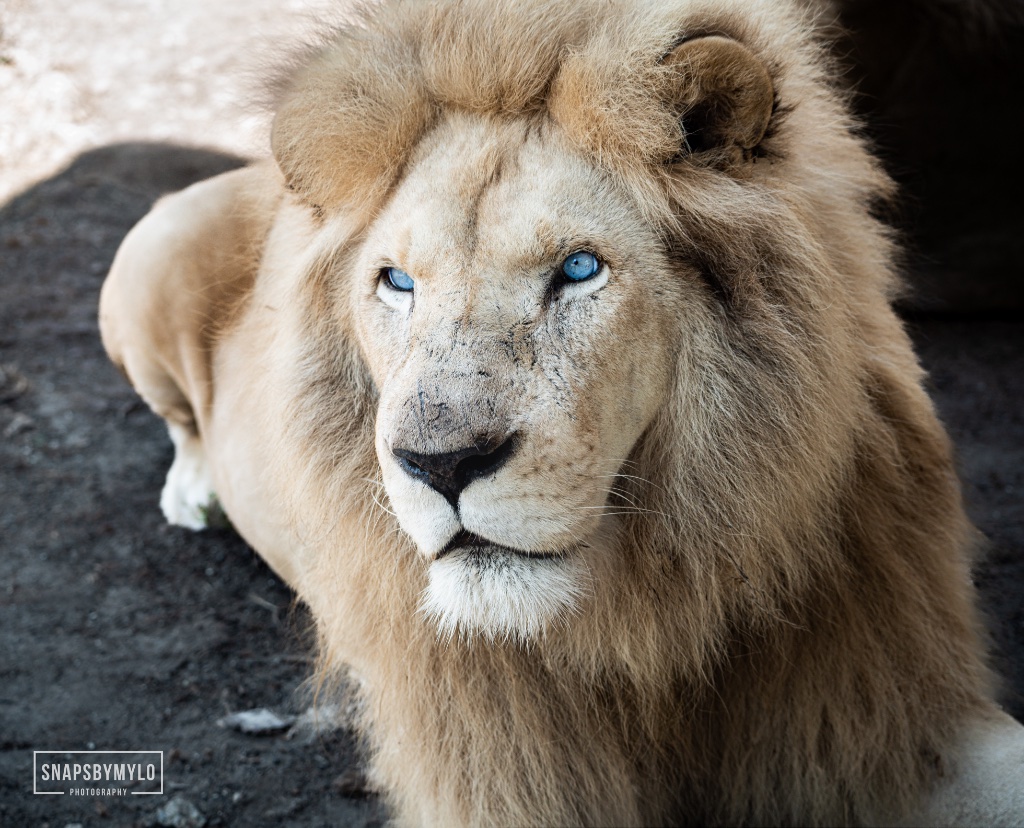
White Lion · Panthera leo
IUCN Status: Vulnerable
The Journey
Education • Passion • Purpose
Wildlife has always represented something far greater than photography. Behind every image lies a living, breathing being with a story, a struggle and a place in an ecosystem that is increasingly under pressure. Recognising this transformed a passion for capturing moments into a deeper, more enduring commitment — one rooted not in aesthetics alone, but in science, education and genuine responsibility.
The journey from photographer to conservationist was not sudden. It grew through years of fieldwork — standing in the rain watching orangutans navigate disappearing forest canopies, waiting in golden light as elephants crossed drought-cracked earth, learning to read the body language of a leopard at rest. Each encounter revealed the same truth: that these animals are not subjects to be captured, but lives to be understood and protected.
A Scientific Foundation
Holding a Master of Science in Wildlife Biology & Conservation, Mylo Romero brings together scientific understanding and visual communication to create meaningful conversations around wildlife. This is not photography for photography's sake — it is photography informed by ecology, population genetics, animal behaviour and conservation biology.
Understanding the science behind a species — its IUCN Red List status, its habitat requirements, the specific threats it faces, its role within its ecosystem — transforms a photograph from a beautiful image into a piece of conservation storytelling. It allows each image to carry context, urgency and meaning beyond its visual impact.
This scientific grounding also ensures that every field encounter is conducted ethically. Knowledge of animal behaviour means recognising stress signals, understanding safe distances, and knowing when to step back. The welfare of the animal always comes before the photograph.
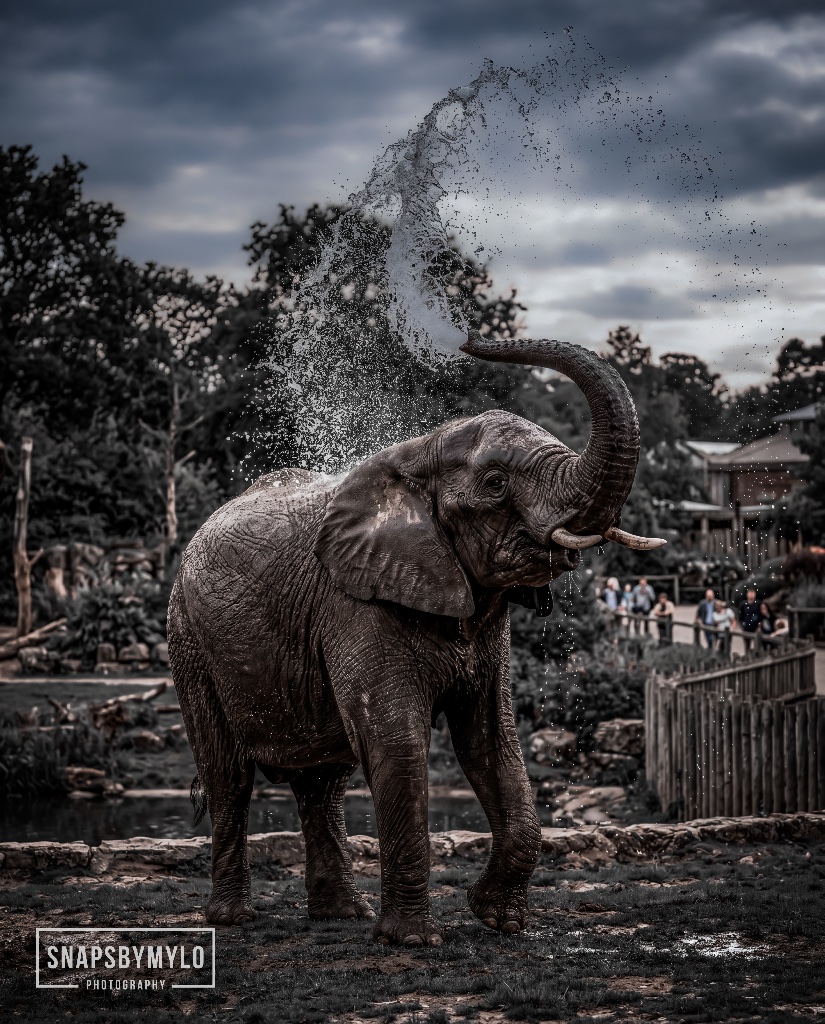
African Elephant · Loxodonta africana
IUCN Status: Endangered
"Conservation begins with connection."
Education
Making conservation knowledge accessible, engaging and relevant to everyday life. Breaking down complex ecological concepts into stories that resonate with people of all ages and backgrounds — from schoolchildren encountering wildlife for the first time to adults seeking to understand the biodiversity crisis.
Passion
Channeling a lifelong love of wildlife into purposeful action. Passion is the fuel that sustains conservation work through its challenges — the early mornings, the patience, the heartbreak of witnessing decline, and the determination to keep going because the animals cannot speak for themselves.
Purpose
Translating awareness into tangible outcomes for wildlife. Purpose means ensuring that every image, every conversation and every initiative contributes to real conservation impact — whether through funding, advocacy, behaviour change or direct habitat protection.
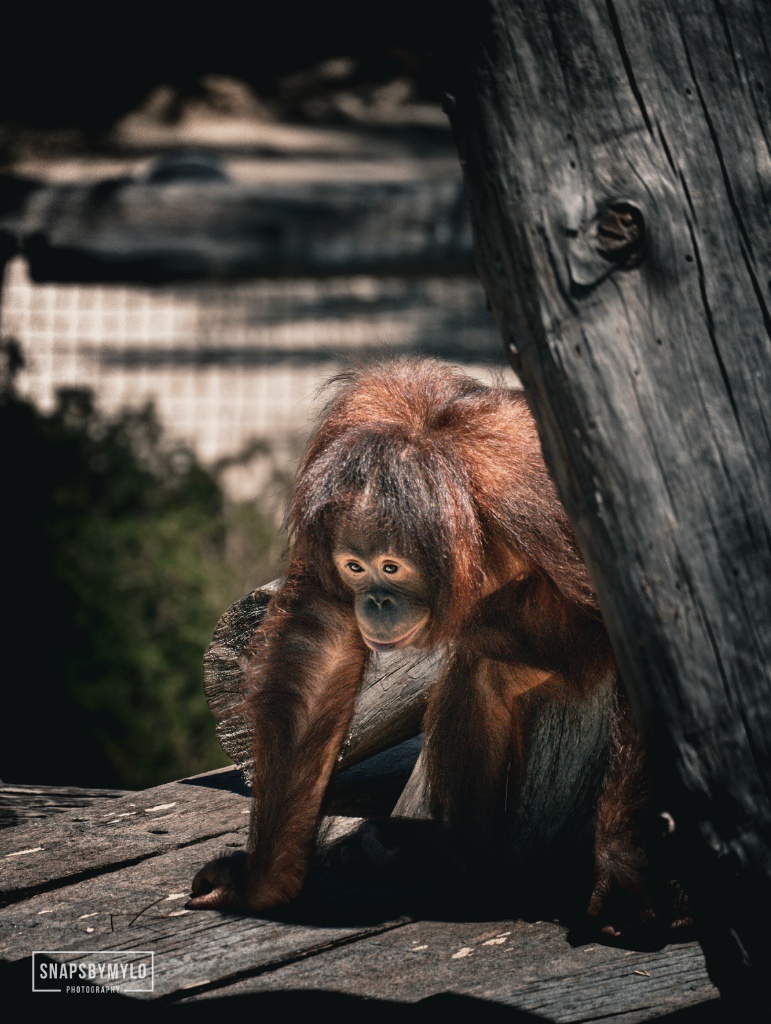
Orangutan · Pongo spp.
IUCN: Critically Endangered
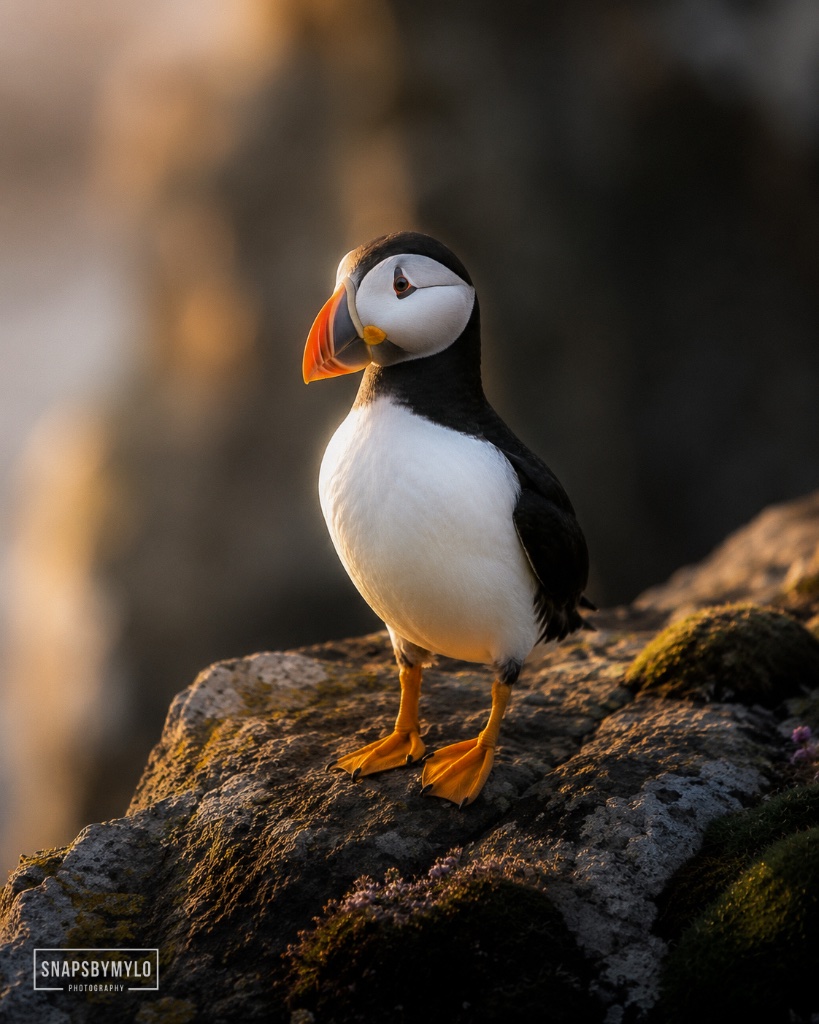
Atlantic Puffin · Fratercula arctica
IUCN: Vulnerable
How We Work
Our Approach
Conservation is not a single act — it is a chain of actions that begins with seeing and ends with protecting. The Trust follows a deliberate four-stage approach that ensures every initiative moves from awareness to impact, and that no image we create is an end in itself.
01
Document
We begin by documenting endangered species through ethical, welfare-first wildlife photography. Every image is created with minimal disturbance, deep respect for the animal, and a commitment to authenticity. These images are not just photographs — they are records, evidence and invitations to connect.
02
Educate
We transform images and field observations into accessible conservation content — field guides, educational resources, articles and talks that help people understand the species they are seeing, the threats those species face, and the ecological roles they play in their ecosystems.
03
Connect
We create opportunities for people to form genuine emotional connections with wildlife. Through exhibitions, digital storytelling and public engagement, we bring the natural world closer to people who may never have the chance to encounter these species in the wild themselves.
04
Protect
We channel awareness into action — supporting conservation organisations, advocating for policy change, and directing resources toward initiatives that deliver measurable protection for species and habitats on the ground. Connection without action is sentiment; action informed by connection is conservation.
What We Do
Our Mission
The mission of Dying To Live Conservation Trust is to protect wildlife by fostering genuine connection between people and the natural world. We believe that conservation is not solely the responsibility of scientists, policymakers or field rangers — it belongs to everyone. And the most powerful tool for engaging everyone is not data alone, but story, image and experience.
Through ethical wildlife photography, accessible conservation education and public engagement, the Trust works to ensure that the species we share this planet with are seen, understood and valued — not as abstract concepts, but as living beings whose survival is intertwined with our own.
Wildlife Photography
Using ethical wildlife photography to inspire appreciation and awareness. Every image is created with the animal's welfare as the absolute priority — no baiting, no staged scenarios, no interference. The result is authentic, powerful imagery that captures the true character and vulnerability of each species, creating an emotional connection that statistics alone cannot achieve.
Conservation Education
Making conservation engaging, accessible and inspiring for people of all ages and backgrounds. Translating complex ecological science into stories, guides and experiences that help people understand not just what is happening to wildlife, but why it matters and what can be done about it. Education is the bridge between awareness and action.
Meaningful Connection
Helping people build genuine relationships with nature. Connection is not passive — it is the moment someone looks at a photograph and sees not just an animal, but a being with a life, a family, a struggle and a right to exist. That shift in perception is where conservation truly begins, because people protect what they care about.
Conservation Action
Creating long-term impact through understanding and action. The Trust supports conservation efforts that address the root causes of species decline — habitat loss, poaching, climate change and human-wildlife conflict — by directing attention, resources and advocacy toward organisations and initiatives making a measurable difference on the ground.
Field Guides & Resources
Producing accessible wildlife field guides, educational resources and conservation content that give people the knowledge to understand, identify and appreciate the species around them. Making the natural world less abstract and more approachable, one species at a time.
Public Engagement
Using exhibitions, talks, digital platforms and community initiatives to bring conservation into public spaces and everyday conversations. Reaching beyond the already-converted to engage new audiences who may never have considered their relationship with wildlife before.
Species We Document
Species in Peril
Every species featured in the SNAPSBYMYLO™ gallery has a story that extends far beyond the frame. These are not simply subjects for photography — they are living beings whose survival hangs in the balance. Below are some of the endangered species Mylo has documented through the Trust's work, along with the realities they face in the wild.
Understanding the threats each species faces is the first step toward meaningful conservation. These are not distant problems — they are happening now, and they are within our collective ability to influence.
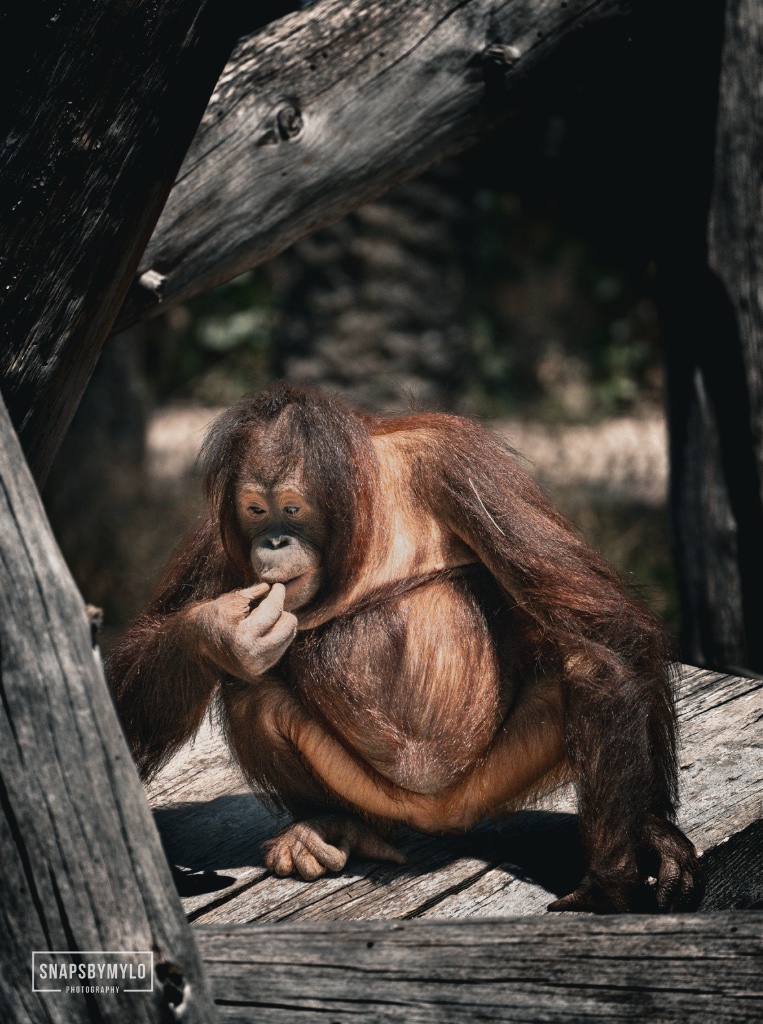
Orangutan
Critically Endangered
Pongo spp.
All three orangutan species are Critically Endangered. Populations have declined by over 60% in half a century, driven by habitat loss from palm oil expansion and illegal logging. The Tapanuli orangutan, with fewer than 800 individuals, is the rarest great ape on Earth.
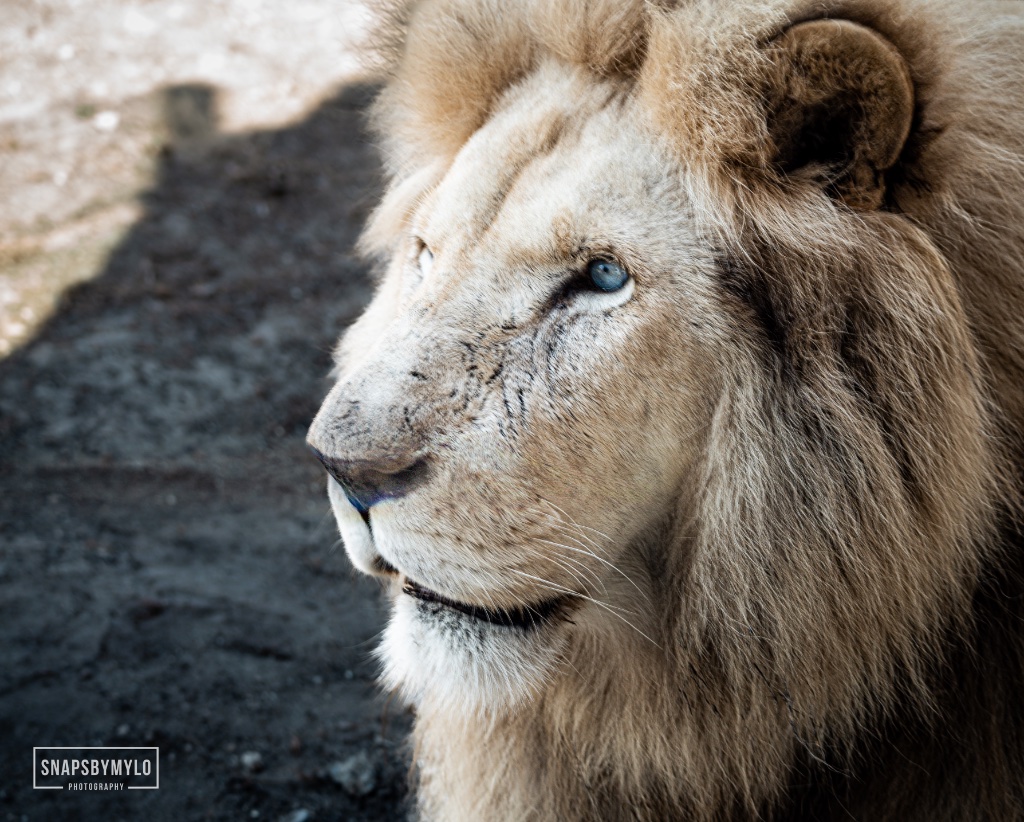
White Lion
Vulnerable
Panthera leo
Lion populations across Africa have declined by approximately 43% over three generations. Roughly 23,000 lions remain in the wild, down from an estimated 200,000 a century ago. White lions are a rare colour variant, not a separate species, native to the Timbavati region of South Africa.
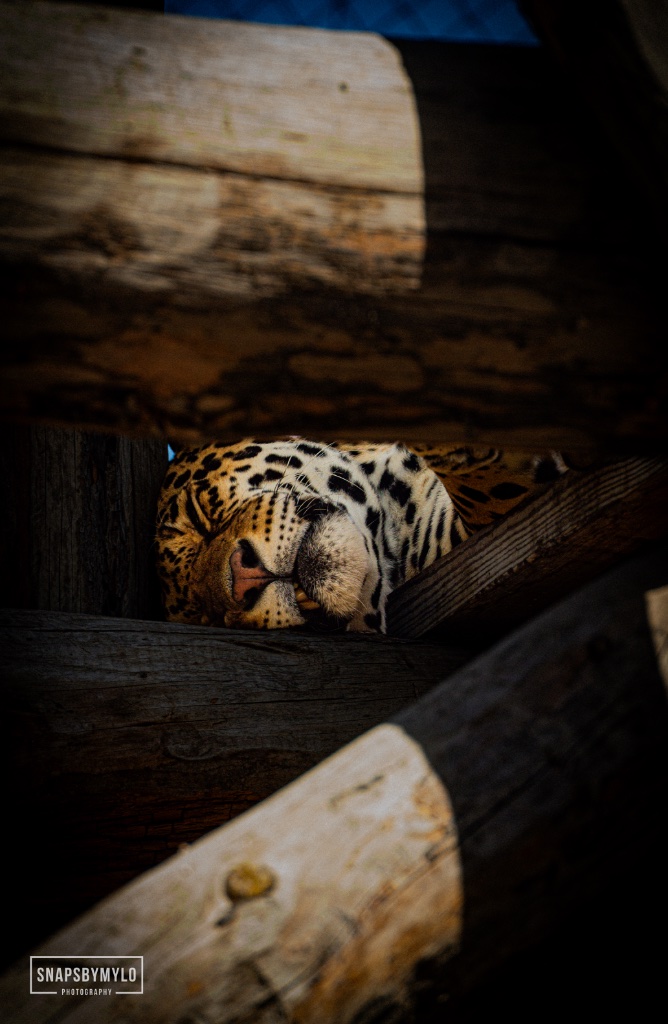
Leopard
Vulnerable
Panthera pardus
Leopards have lost an estimated 48–67% of their historic range in Africa and 83–87% in Asia. The Amur leopard subspecies is Critically Endangered with approximately 100 individuals remaining. TRAFFIC estimates 2,600–3,300 leopards are killed and traded illegally each year in India alone.
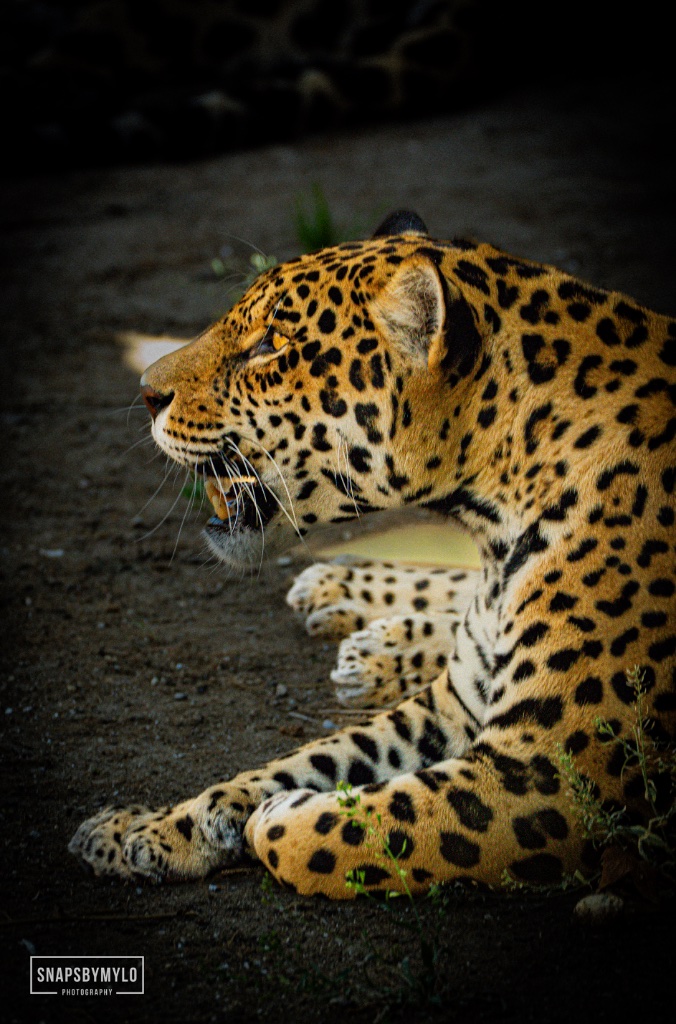
Jaguar
Near Threatened
Panthera onca
The jaguar has been extirpated from approximately 46% of its historic range. Deforestation in the Amazon, cattle ranching conflict and an emerging illegal trade in jaguar parts to Asian markets are the primary threats. An estimated 173,000 jaguars remain in the wild.
African Elephant
Endangered
Loxodonta africana
Upgraded from Vulnerable to Endangered in 2021. The continental population has fallen from an estimated 3–5 million in the early 20th century to approximately 415,000 today. Between 2008 and 2012 alone, an estimated 100,000 elephants were killed for ivory across Africa.
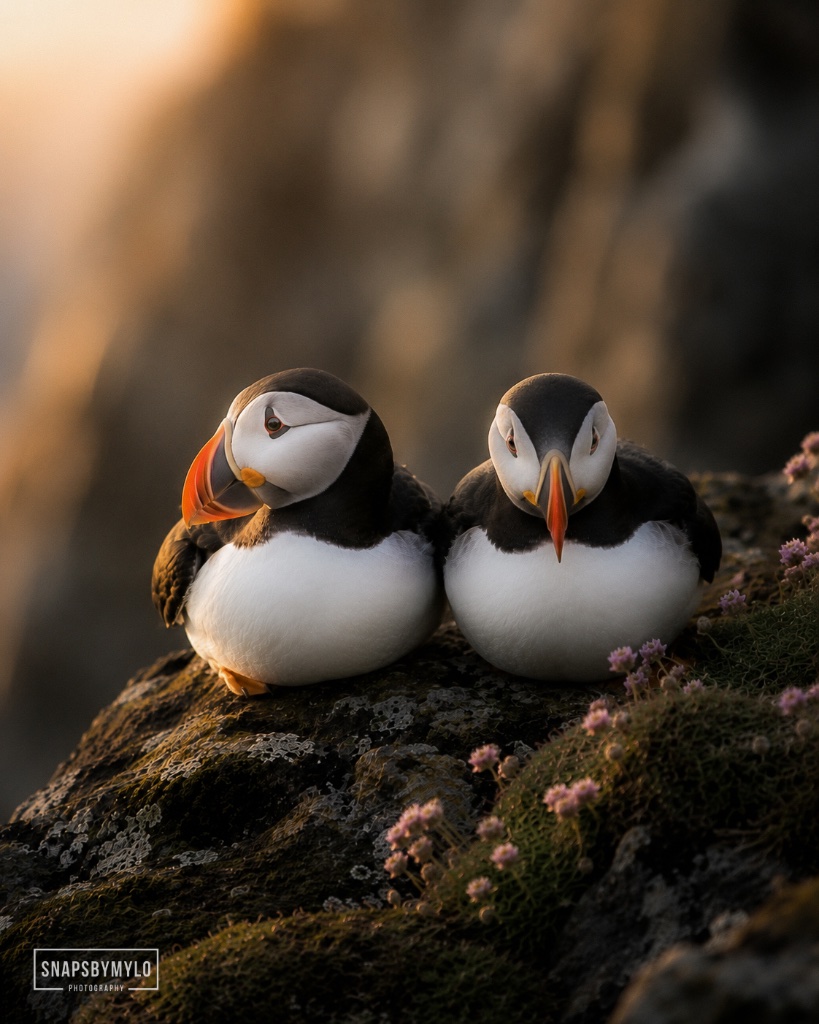
Atlantic Puffin
Vulnerable
Fratercula arctica
Uplisted to Vulnerable in 2015. Rising sea temperatures have shifted the distribution of sand eels — the puffin's primary prey — causing widespread breeding failures. The global population is estimated to have decreased by 30–49% over three generations.
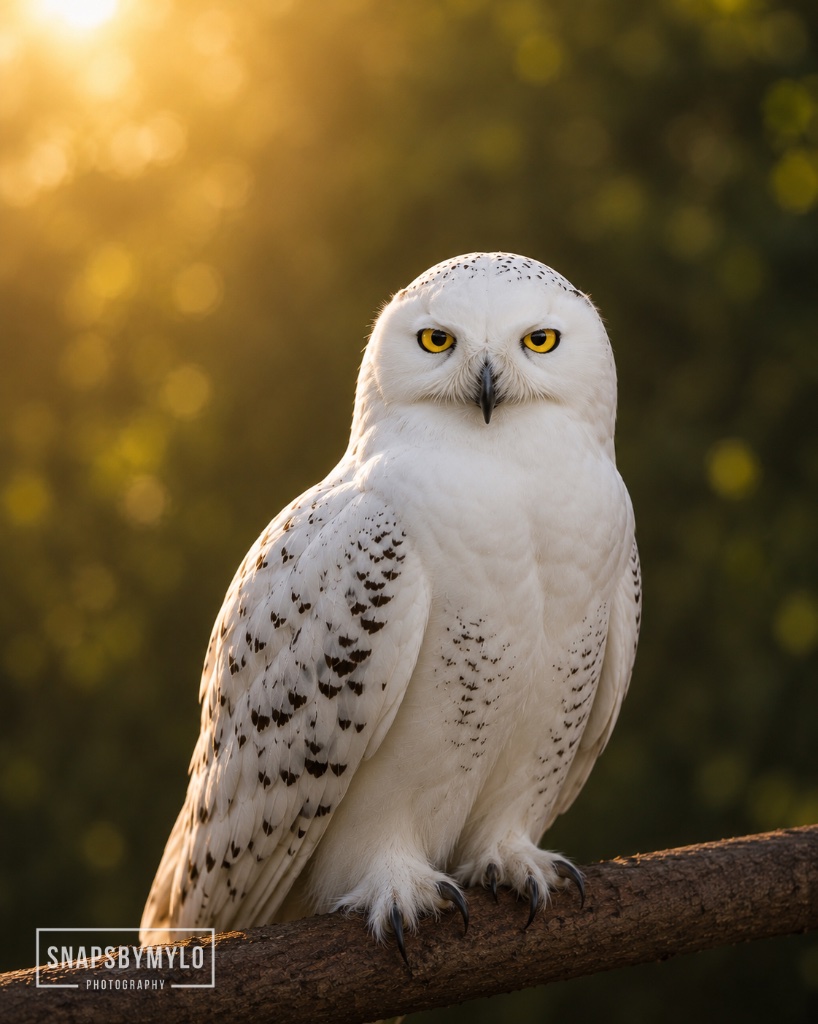
Snowy Owl
Vulnerable
Bubo scandiacus
Uplisted to Vulnerable in 2017. The Arctic is warming at roughly twice the global average, disrupting lemming population cycles that snowy owls depend on for breeding. The global population is estimated at approximately 28,000 mature individuals and declining.
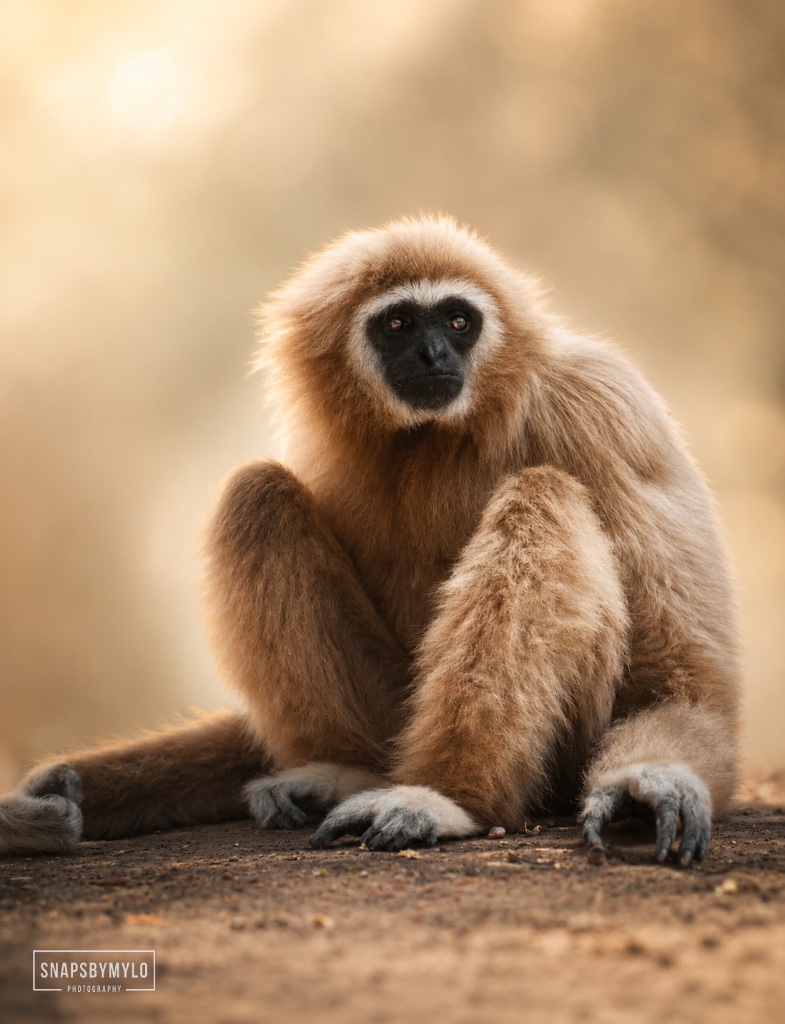
Gibbon
Endangered
Hylobatidae spp.
Nearly all gibbon species are Endangered or Critically Endangered. The Hainan gibbon, with fewer than 40 individuals, is the rarest primate in the world. Habitat loss and the illegal pet trade are the primary threats — infants are captured after their mothers are killed.
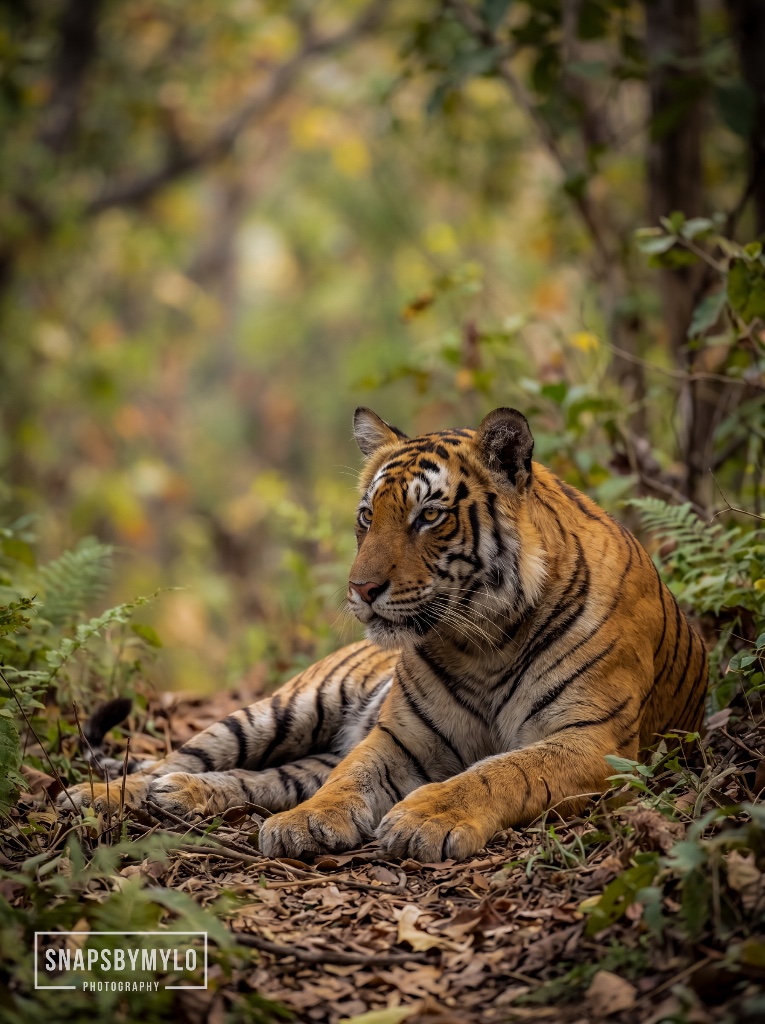
Tiger
Endangered
Panthera tigris
The tiger is classified as Endangered, with fewer than 4,500 wild individuals remaining across all six subspecies. Populations have declined by over 95% since the early 20th century, driven by poaching for the illegal wildlife trade, habitat loss, and prey depletion. Three tiger subspecies are already extinct.
The Biodiversity Crisis
Why This Matters
We are living through what scientists have called the Sixth Mass Extinction — a period of catastrophic biodiversity loss driven not by natural catastrophe, but by human activity. Unlike previous mass extinction events, which unfolded over thousands or millions of years, the current crisis is occurring within a single human lifetime. And unlike those previous events, this one can still be influenced by the choices we make.
The numbers are staggering, but numbers alone do not move people. A statistic does not capture the intelligence in an elephant's eye, the tenderness of a puffin feeding its chick, or the quiet dignity of a leopard at rest. Photography and storytelling can do what data cannot — they can make the abstract feel personal, the distant feel close, and the invisible feel seen.
1,000,000+
Species at Risk
The IPBES Global Assessment Report estimates that over one million plant and animal species currently face extinction — many within decades.
68%
Wildlife Decline
The Living Planet Index shows an average decline of 68% in monitored wildlife populations between 1970 and 2016.
75%
Terrestrial Ecosystems Altered
Approximately 75% of the ice-free land surface has been significantly altered by human activity, fragmenting and degrading wildlife habitat.
33%
Marine Mammals Threatened
One-third of all marine mammal species are currently threatened with extinction due to bycatch, pollution, climate change and habitat loss.
Conservation is not only created through science and policy. It is created through understanding. It is created when a person sees a photograph of a Critically Endangered orangutan and feels something — curiosity, empathy, concern — and then chooses to learn more, to share what they have learned, or to support the people working on the ground to protect that species.
Every photograph can educate. Every story can shift perception. Every experience can inspire. And every person — regardless of their background, profession or location — has the ability to protect something greater than themselves, whether through the choices they make as consumers, the causes they support, or the conversations they have with the people around them.
Dying To Live Conservation Trust exists to strengthen that connection — to be the bridge between the science that reveals the crisis and the human hearts that must respond to it. The Trust exists to ensure that the species Mylo Romero has been privileged to photograph are not merely documented for posterity, but actively protected for the future.
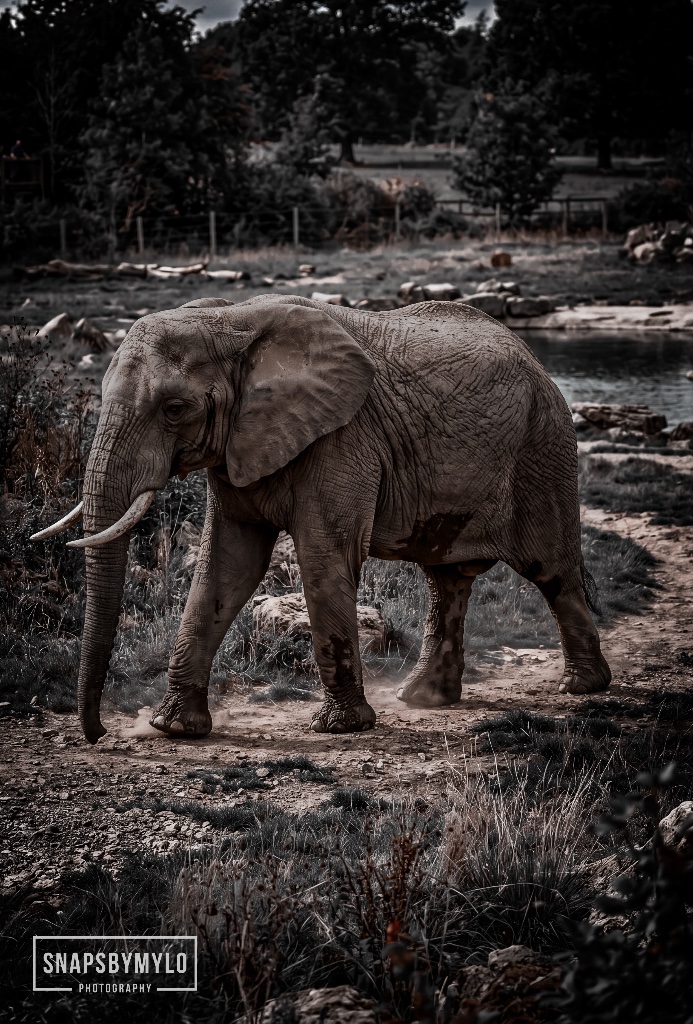
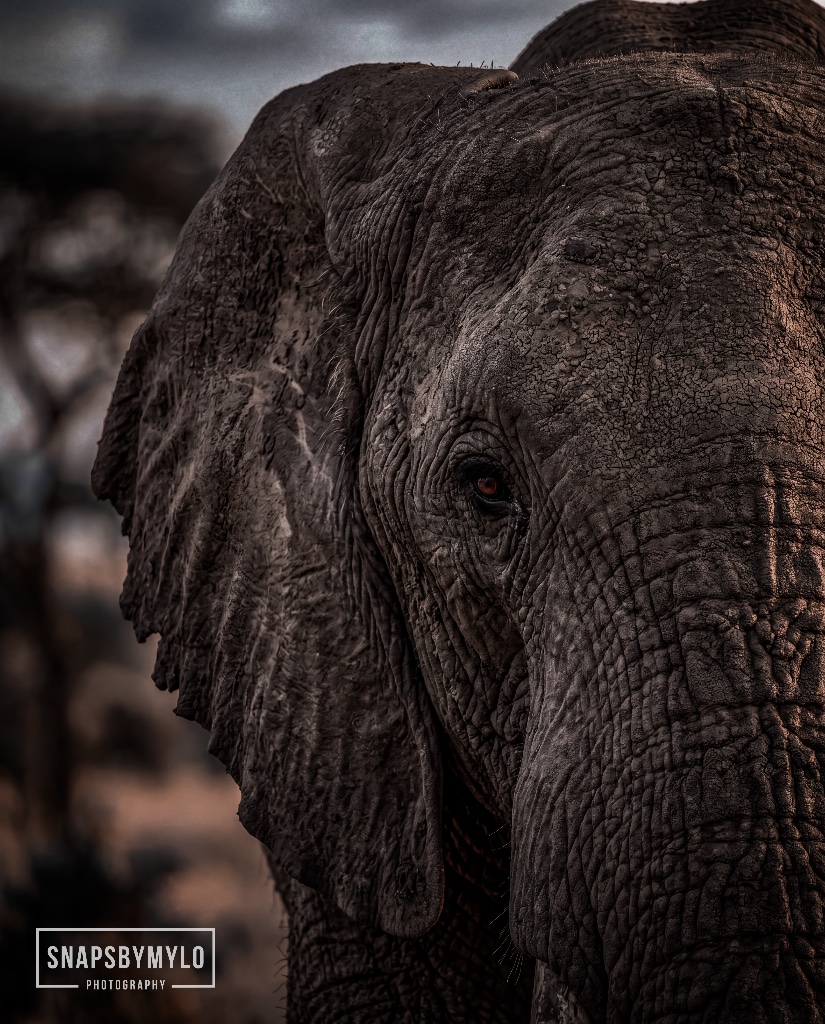
African Elephant · Loxodonta africana
IUCN Status: Endangered
The Vision
Looking Ahead
The long-term vision for Dying To Live Conservation Trust is to create a world where people feel connected to wildlife — where conservation is not a distant concern delegated to others, but a shared responsibility understood and embraced by all. A world where the images we capture today become not memorials of what was lost, but celebrations of what was saved.
This vision is built on a simple philosophy: build carefully, grow intentionally, and protect what matters. The Trust will not chase scale for its own sake. It will grow at a pace that allows every initiative to be grounded in purpose, informed by science and delivered with integrity. Conservation is not a sprint — it is a commitment measured in generations.
Build carefully. Grow intentionally. Protect what matters.
Today
Building the Foundation
Establishing the Trust as a platform for conservation storytelling and education. Continuing to document endangered species through ethical wildlife photography, producing accessible field guides and conservation content, and building a community of people who care about the natural world. Every photograph, every guide and every conversation lays another stone in the foundation.
Tomorrow
Growing Our Reach
Expanding educational initiatives, public exhibitions and community engagement programmes. Developing partnerships with conservation organisations, schools and institutions to bring wildlife education to wider audiences. Creating opportunities for people to experience connection with nature — whether through exhibitions, talks, workshops or digital experiences that make the natural world accessible to all.
The Future
Creating Lasting Impact
Directing resources toward tangible conservation outcomes — supporting habitat protection, anti-poaching initiatives, species recovery programmes and community-based conservation projects. Building a legacy where the images we create today translate into real, measurable protection for the species that inspired them, and where future generations inherit a world still rich in wildlife.
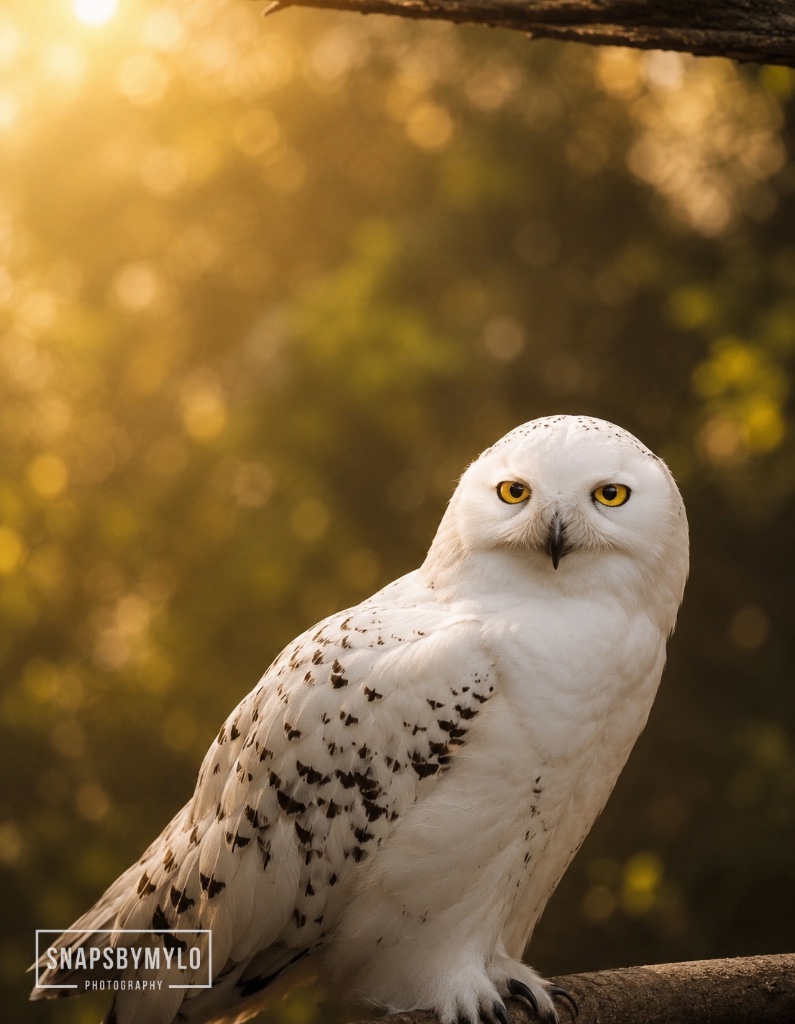
Snowy Owl · Bubo scandiacus
IUCN: Vulnerable
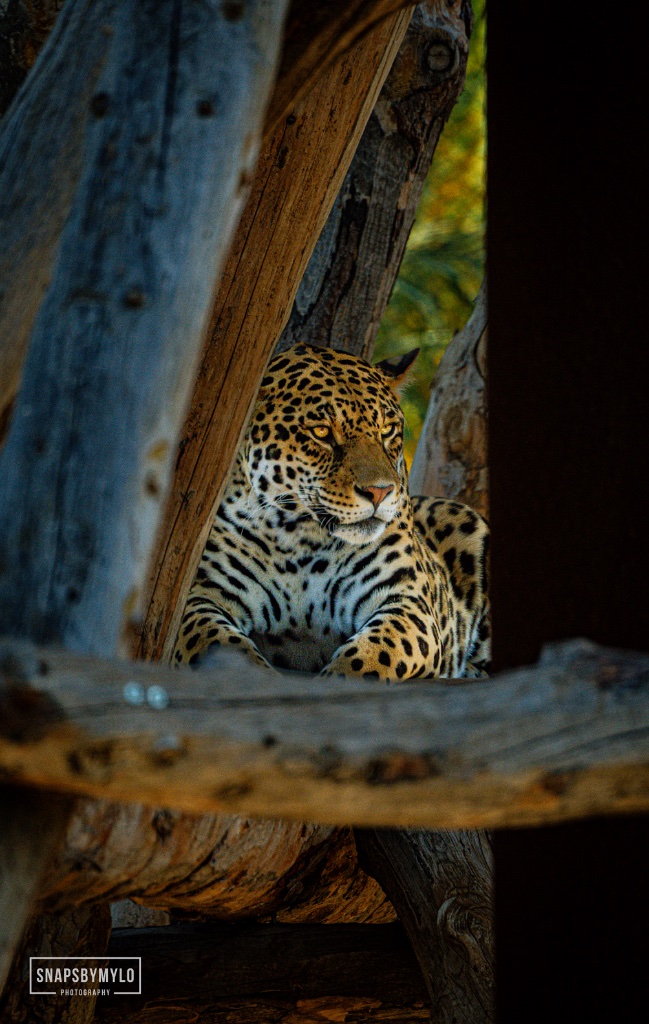
Leopard · Panthera pardus
IUCN: Vulnerable
People protect what they connect with.
Founded by Mylo Romero
DYING TO LIVE
Conservation Trust
Protect • Educate • Inspire