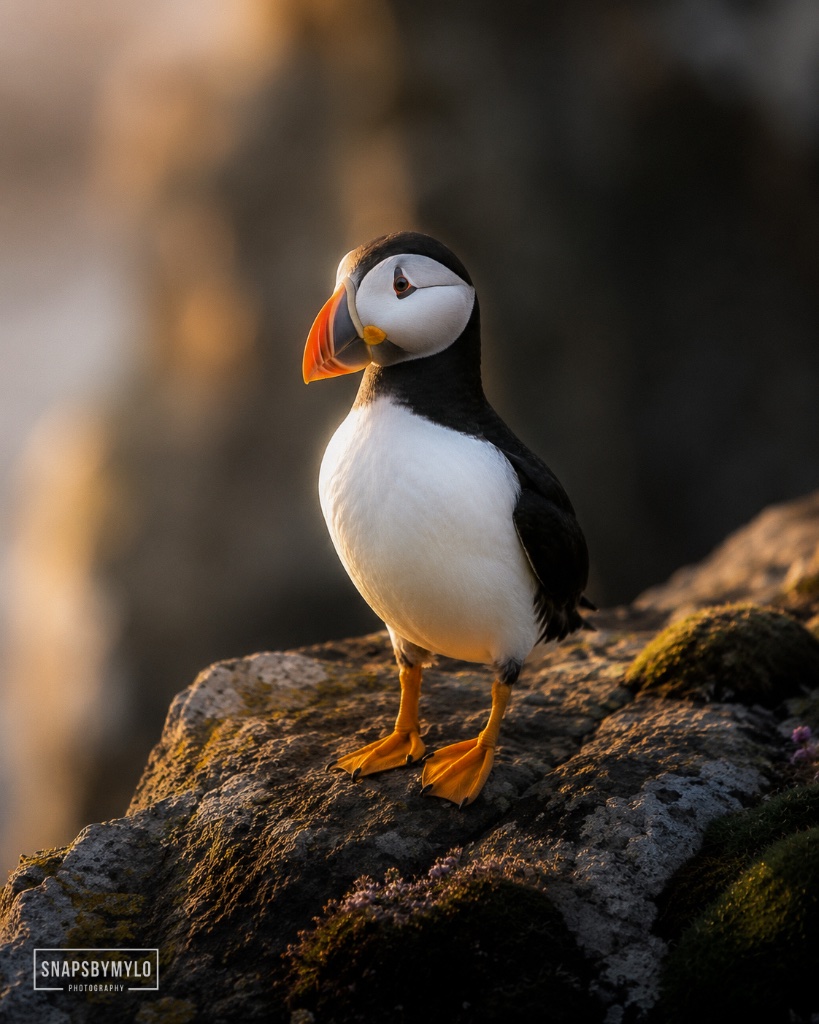
Fratercula arctica
Atlantic Puffin
The Atlantic Puffin was uplisted to Vulnerable in 2015. Populations have declined significantly, driven largely by climate change impacts on prey fish and breeding failures.
Conservation Status
The Atlantic Puffin (Fratercula arctica) was reclassified from Least Concern to Vulnerable on the IUCN Red List in 2015. The species breeds in large colonies on coastal cliffs and islands across the North Atlantic — in Iceland, Norway, the Faroe Islands, the UK, Ireland, and eastern Canada. Iceland hosts the largest breeding population, estimated at approximately 5–6 million pairs, but even here populations have declined. The UK population, concentrated in Scotland and on islands such as Skomer, Skokholm, and the Farne Islands, is estimated at approximately 580,000 pairs. Overall, the global population is estimated to have decreased by 30–49% over three generations (approximately 45 years). The species is on the UK Red List of Birds of Conservation Concern and is listed as Endangered on the European Red List of Birds.
Primary Threats
Climate change is the most significant threat. Rising sea surface temperatures in the North Atlantic have caused a shift in the distribution and abundance of small forage fish, particularly sand eels (sand lance), which are the puffin's primary prey during the breeding season. Sand eels prefer cold water and are moving northward and into deeper water as seas warm, making them less accessible to puffins that must return to their burrows to feed chicks. When sand eels are unavailable, puffins struggle to feed their chicks — they have been observed bringing pipefish (a less nutritious prey species) to chicks instead, leading to widespread breeding failures, as seen in many UK colonies in the 2000s and 2010s. Mass die-offs of puffins have been recorded, including an estimated 8,000 puffins washing up dead on the coasts of the Bering Sea in 2016–17 (these were Tufted Puffins, but the pattern is relevant). Introduced predators such as rats, mink, and cats on breeding islands can decimate colonies — ground-nesting seabirds like puffins are particularly vulnerable as they have no natural defences against mammalian predators. Overfishing of forage fish stocks, pollution (including oil spills and plastic ingestion — puffins have been found with plastic debris in their stomachs), and increasing storminess during the breeding season (which can flood burrows and prevent adults from foraging) add further pressure.
Life Cycle and Behaviour
Atlantic Puffins are long-lived birds — they can live for over 30 years — and they do not breed until they are 4–5 years old. They mate for life and return to the same burrow each year, digging nesting tunnels in soil on clifftops and islands. They lay a single egg per year, and both parents share incubation and feeding duties. Puffins are exceptional divers, capable of diving to depths of 60 metres and swimming underwater using their wings as flippers. They can carry multiple fish in their beaks at once — the record is 83 small fish held crosswise in a single beak. Their colourful beak plates are shed after the breeding season, revealing a smaller, duller beak in winter. This low reproductive rate means that population recovery is slow — even if threats are addressed, it takes many years for puffin numbers to increase.
Conservation Efforts
The RSPB's Puffin Island reserves and Project Puffin (a citizen science project that analysed thousands of photographs of puffins carrying fish to identify prey species) use GPS tracking and photographic analysis to monitor feeding behaviour and prey species. Eradication programmes have removed introduced predators from important breeding islands, including the Hebridean Mink Project in Scotland (which has removed over 2,000 mink from the Outer Hebrides) and rat eradication on Lundy Island (resulting in a tenfold increase in puffin numbers from 13 to over 130 pairs) and the Shiant Isles. Marine Protected Areas around key seabird foraging grounds are being established, including the Northumberland Marine SPA. The National Audubon Society's Project Puffin in the United States successfully restored Atlantic Puffins to historic nesting islands off the coast of Maine using decoy birds and recorded calls to attract puffins to suitable breeding habitat — a technique now used worldwide for seabird restoration. Long-term climate mitigation is essential, as the puffin's decline is fundamentally linked to warming seas and shifting marine ecosystems.
How to Help
Supporting seabird conservation organisations, advocating for the establishment of Marine Protected Areas, and choosing sustainably sourced fish (to avoid contributing to the overfishing of forage fish like sand eels) all contribute. Supporting island predator eradication programmes is highly effective — these programmes have an exceptionally high success rate in restoring seabird colonies. Reducing carbon emissions to address climate change is the most critical long-term action, as the puffin's survival ultimately depends on the health of cold-water marine ecosystems.
Conservation Charities
Organisations working to protect atlantic puffins. Visit their websites to learn more or support their work.