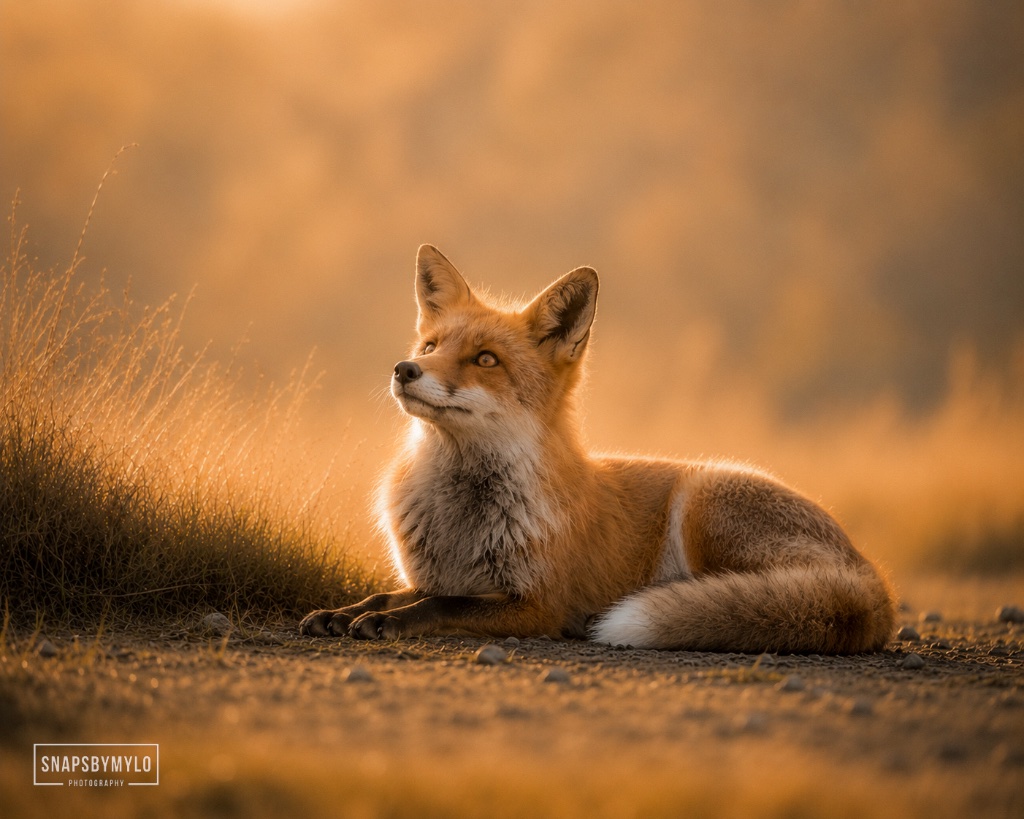
Vulpes vulpes
Red Fox
The Red Fox is the most widely distributed wild carnivore in the Northern Hemisphere and is classified as Least Concern, with stable and even expanding global populations.
Conservation Status
The Red Fox (Vulpes vulpes) is classified as Least Concern on the IUCN Red List. It has the largest natural distribution of any terrestrial carnivore, spanning across Europe, Asia, North America, and parts of North Africa — a range that covers approximately 70 million square kilometres. The global population is large, stable, and in some regions increasing. The species has also been introduced to Australia (where it is an invasive species and a major threat to native wildlife) and to parts of the eastern United States. The Red Fox has successfully adapted to urban environments, and urban fox populations are now well-established in cities across Europe and North America — the urban fox population in the UK alone is estimated at approximately 150,000 individuals, with roughly 10,000 in London.
Primary Threats
While the Red Fox as a species is not threatened, several island subspecies are at significant risk. The Sierra Nevada red fox (Vulpes vulpes necator) in California is one of the rarest mammals in North America, with an estimated population of fewer than 50 individuals in the Sierra Nevada and a small, recently discovered population in the Cascade Range. Threats to these small, isolated subspecies include habitat fragmentation, climate change affecting montane habitat (as warming temperatures push their subalpine habitat higher and shrink its extent), disease (particularly canine distemper and rabies transmitted from domestic dogs), and competition with coyotes, which have expanded their range into montane areas as climates warm. Globally, foxes are subject to culling and hunting in many countries — in the UK, an estimated 200,000 foxes are killed each year through various legal and illegal means. In Australia, extensive fox control programmes are necessary because the introduced Red Fox is a primary threat to many native marsupial species.
Ecological Role
Red Foxes are opportunistic omnivores that play an important role as mesopredators in many ecosystems. They help control populations of small rodents, rabbits, and insects, and they are themselves prey for larger predators such as wolves, coyotes, and eagles. In urban environments, foxes help control rat and mouse populations and serve as a connection between city dwellers and wildlife. The presence of foxes can also have indirect ecological effects — for example, by suppressing smaller predators like cats, they can indirectly benefit ground-nesting birds. In regions where apex predators have been eliminated, foxes may become the top predator, which can alter prey population dynamics.
Conservation Efforts
For the common Red Fox, conservation efforts are focused on maintaining balanced ecosystems rather than species survival. The Sierra Nevada red fox is listed under the U.S. Endangered Species Act, and recovery efforts include habitat protection, genetic monitoring, and translocation of individuals from the Cascade population to augment genetic diversity in the Sierra Nevada population. In the UK, foxes are protected from certain forms of cruelty under the Animal Welfare Act 2006, though fox hunting with dogs was banned in England and Wales in 2004 (under the Hunting Act) — the ban remains a politically and ethically debated topic. Urban fox management focuses on coexistence strategies rather than population control, with most UK municipalities adopting non-lethal approaches to managing human-fox interactions. The Wildlife Conservation Society and the California Department of Fish and Wildlife lead conservation efforts for the Sierra Nevada red fox, including camera trapping, genetic analysis of scat, and habitat protection.
How to Help
For the common Red Fox, supporting wildlife rescue organisations that rehabilitate injured and orphaned foxes contributes to welfare. For the endangered Sierra Nevada red fox, supporting organisations working on montane habitat protection and climate change mitigation is essential. In urban areas, practising responsible waste management and avoiding the feeding of foxes helps maintain healthy, natural fox populations that do not become dependent on human food sources.
Conservation Charities
Organisations working to protect red foxs. Visit their websites to learn more or support their work.