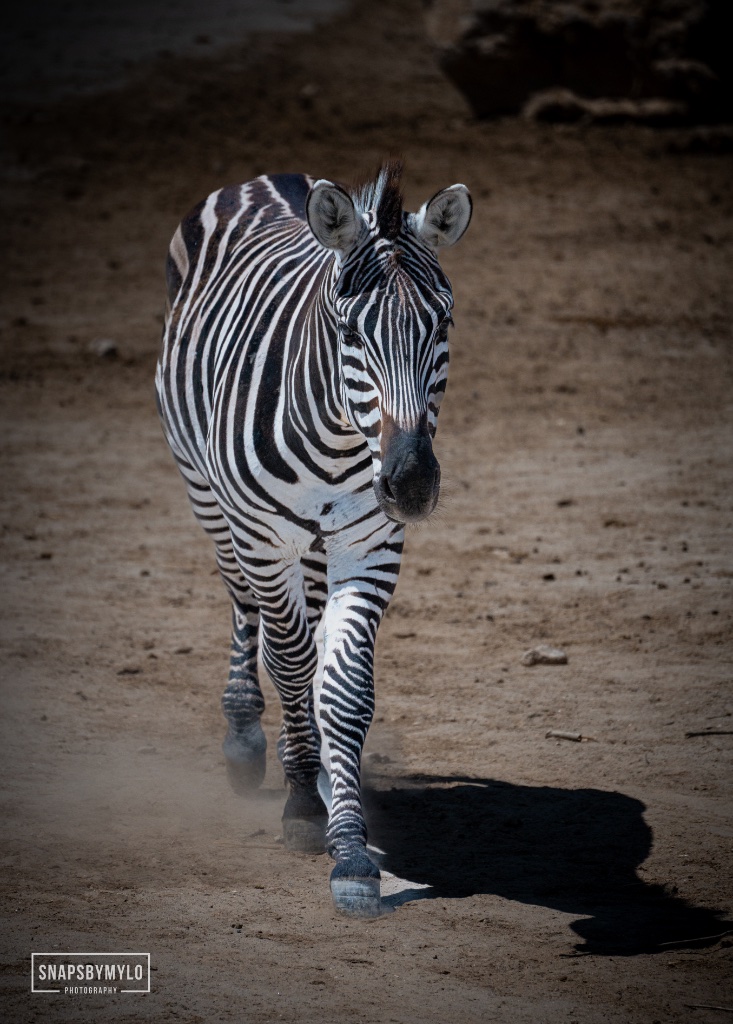
Equus quagga (Plains), Equus zebra (Mountain), Equus grevyi (Grevy)
Zebra
There are three zebra species, each with different conservation status. The Grevy zebra is Endangered, the Mountain zebra is Vulnerable, and the Plains zebra is Near Threatened.
Conservation Status
The three zebra species face very different conservation situations. The Plains zebra (Equus quagga) is classified as Near Threatened by the IUCN and is the most numerous, with an estimated population of approximately 500,000–750,000 individuals, though populations have declined in many regions. The Mountain zebra (Equus zebra), native to Namibia and South Africa, is classified as Vulnerable but has recovered from near extinction — the Hartmann's mountain zebra subspecies was reduced to fewer than 100 individuals in the 1950s but has since recovered to over 34,000. The Grevy zebra (Equus grevyi), found in Kenya and Ethiopia, is classified as Endangered, with fewer than 3,000 mature individuals remaining — a decline of over 50% since the 1970s, when the population was estimated at approximately 15,000. The Grevy zebra is the largest of the wild equids and is distinguishable by its narrow stripes and large rounded ears.
Primary Threats
Habitat loss and fragmentation from agricultural expansion and fencing restrict zebra migration routes, which are critical for accessing seasonal water and forage. In the Greater Mara ecosystem, fences and land conversion have significantly reduced the extent of zebra migration. Competition with livestock for grazing and water is severe, particularly for Grevy zebra in the Horn of Africa — overgrazing by cattle, sheep, and goats degrades the rangelands that Grevy zebras depend on. Poaching for skins and meat continues in some regions, and in the Democratic Republic of Congo, Plains zebra populations have been nearly eliminated by bushmeat hunting. Droughts, intensified by climate change, have caused significant mortality events — the 2000–2001 drought in northern Kenya killed an estimated 53% of the Grevy zebra population in the Samburu region. Access to water is a limiting factor for all zebra species, and the drying of water sources due to abstraction and climate change is an ongoing threat.
Ecological Role
Zebras are grazers that play a key role in maintaining grassland ecosystems. They consume coarse, tall grasses that other herbivores avoid, making the shorter, more nutritious grasses accessible to species like wildebeest and gazelles. This grazing pattern helps maintain plant diversity and prevents any single grass species from dominating. Zebras are also an important prey species for large predators, including lions, hyenas, and African wild dogs. The Grevy zebra, being a bulk roughage feeder, can survive on lower-quality forage than other grazers, allowing it to maintain body condition during dry seasons when other herbivores struggle.
Conservation Efforts
The Grevy Zebra Trust works in Kenya and Ethiopia on community-based monitoring — using photographic identification, as each zebra's stripe pattern is unique — habitat protection, and education. The Mountain Zebra National Park in South Africa was established in 1937 specifically to protect the Cape mountain zebra and has been central to its recovery from a low of approximately 91 individuals to over 5,000 today. Across all species, protected areas such as the Serengeti, Masai Mara, and Etosha National Park provide critical strongholds. Community conservation programmes that reduce human-wildlife conflict and manage rangelands for both livestock and wildlife are increasingly important — the Northern Rangelands Trust in Kenya is a notable example, working with community conservancies to improve rangeland management and reduce conflict. The African Wildlife Foundation works on land conservation and anti-poaching across zebra range countries.
How to Help
Supporting zebra conservation organisations, choosing ethically sourced products from Africa, and advocating for habitat protection and anti-poaching measures all contribute. For the Grevy zebra specifically, supporting community-based conservation in northern Kenya is critical, as the species' survival depends on the willingness of local communities to share their land with wildlife.
Conservation Charities
Organisations working to protect zebras. Visit their websites to learn more or support their work.