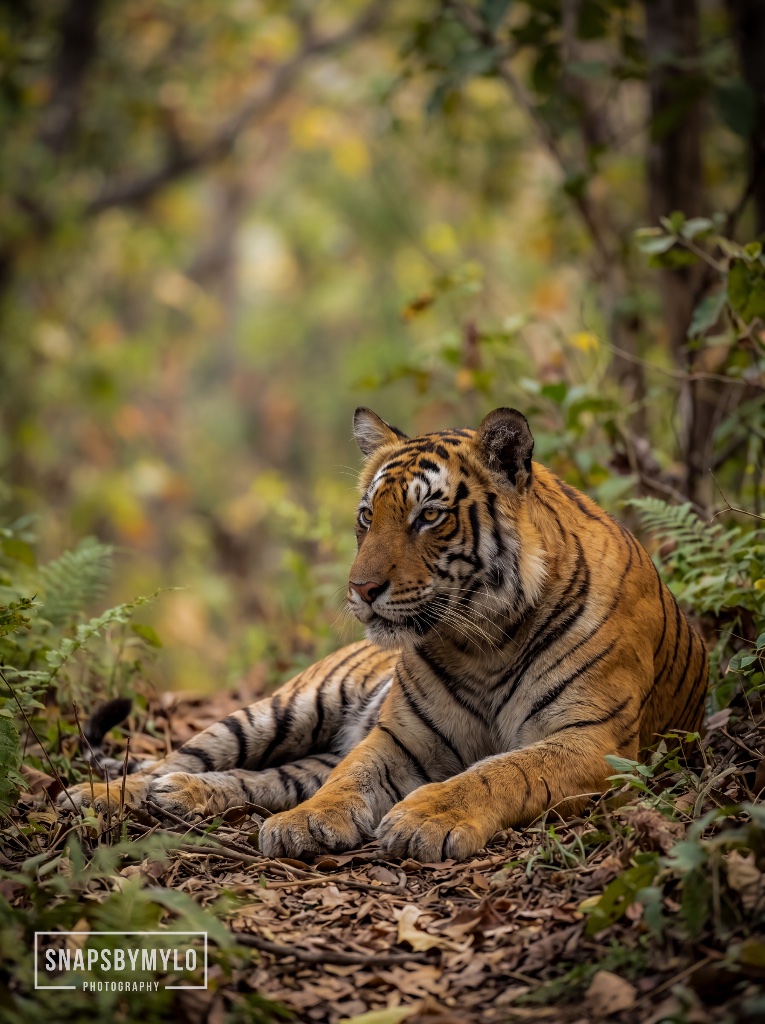
Panthera tigris
Tiger
The tiger is the largest cat species on Earth and is classified as Endangered. Wild populations have declined by over 95% in the last century, with fewer than 4,500 individuals remaining across all six surviving subspecies.
Conservation Status
The tiger (Panthera tigris) is classified as Endangered on the IUCN Red List. At the start of the 20th century, an estimated 100,000 tigers roamed across Asia from Turkey to the Russian Far East. Today, fewer than 4,500 wild tigers remain, a decline of over 95%. There are two extant tiger subspecies recognised by the IUCN: the continental tiger (Panthera tigris tigris), which includes the Bengal, Amur (Siberian), Indochinese, South China, and Malayan populations, and the Sunda Island tiger (Panthera tigris sondaica), which includes the Sumatran tiger. Three subspecies are already extinct: the Bali tiger (extinct in the 1940s), the Caspian tiger (extinct in the 1970s), and the Javan tiger (extinct in the 1980s). The South China tiger is considered functionally extinct in the wild, with no confirmed sightings in over two decades — the remaining individuals exist only in captivity. The Bengal tiger is the most numerous subspecies, with an estimated 2,500–3,750 individuals, primarily in India. The Amur tiger, native to the Russian Far East and northeastern China, has a population of approximately 540–600 individuals and is one of the most threatened large cat populations in the world. The Sumatran tiger is Critically Endangered, with fewer than 400 individuals remaining.
Primary Threats
Poaching for the illegal wildlife trade is the single greatest threat to tigers. Every part of the tiger — bones, skin, teeth, claws, whiskers, and even meat — is traded illegally, primarily to supply demand for traditional Asian medicine and luxury products. Tiger bones are used in traditional remedies for arthritis and other ailments, despite no scientific evidence of efficacy, and tiger skins are prized as status-symbol decorations. Demand is concentrated in China, Vietnam, and other Southeast Asian countries, though consumers exist worldwide. The illegal trade is driven by transnational criminal networks and is estimated to be worth hundreds of millions of dollars annually. Habitat loss and fragmentation are the second major threat. Tigers require vast territories — a single male tiger may range over 60–100 square kilometres — and the forests and grasslands they inhabit across South and Southeast Asia have been heavily converted to agriculture, plantations (particularly palm oil and rubber), infrastructure, and human settlement. India alone has lost significant forest cover in tiger range states. As tiger habitat fragments, populations become isolated, reducing genetic diversity and increasing the likelihood of human-tiger conflict. The depletion of wild prey species through bushmeat hunting forces tigers to prey on livestock, bringing them into direct conflict with communities and leading to retaliatory killings. Climate change poses an emerging and severe threat, particularly to the Bengal tiger population of the Sundarbans — the vast mangrove forest shared between India and Bangladesh that is home to one of the largest single tiger populations. Sea level rise projected under even moderate climate scenarios could eliminate up to 96% of Sundarbans tiger habitat by 2070.
Ecological Role
Tigers are apex predators and a keystone species in the ecosystems they inhabit. As the largest cat in the world — males can weigh up to 300 kg — they sit at the top of the food chain and regulate populations of large herbivores including deer, wild pigs, and antelope. By controlling herbivore numbers, tigers prevent overgrazing and maintain the balance of forest and grassland ecosystems, which in turn supports the plant communities and smaller species that depend on them. The presence of tigers is an indicator of a healthy, intact ecosystem with sufficient prey and habitat. Tiger conservation is an example of an 'umbrella species' approach — protecting tigers and their habitat protects countless other species that share their range, including leopards, dholes, elephants, rhinos, and hundreds of bird and reptile species. Tigers are also culturally and spiritually significant across Asia, featuring prominently in the mythology, folklore, and identity of countries including India, China, Korea, and Malaysia, which adds a powerful cultural dimension to their conservation.
Conservation Efforts
Tiger conservation received a major boost with the launch of the Global Tiger Recovery Programme at the 2010 St. Petersburg Tiger Summit, where all 13 tiger range countries committed to the goal of doubling wild tiger numbers by 2022 (the 'TX2' goal). India's Project Tiger, launched in 1973, is one of the most successful single-species conservation programmes in the world — it established a network of over 50 tiger reserves, and India's tiger population has increased from approximately 1,800 in the 1970s to nearly 3,000 today, representing roughly 75% of the global wild tiger population. Nepal has also achieved remarkable success, doubling its tiger population between 2010 and 2022 to approximately 355 individuals. Russia has been a leader in Amur tiger conservation — the creation of protected areas and anti-poaching efforts in the Russian Far East, supported by organisations including the Wildlife Conservation Society, helped the Amur tiger population recover from a low of approximately 40 individuals in the 1940s to over 500 today. The TX2 goal was achieved in 2022, with the global wild tiger population estimated at approximately 5,574 individuals — a significant increase from the estimated 3,200 in 2010. However, several populations remain critically small and isolated. Tiger farming — the captive breeding of an estimated 8,000–12,000 tigers in China, Thailand, Vietnam, and Laos — remains a deeply contentious issue, as it sustains demand for tiger products and provides cover for the laundering of poached wild tigers. International trade in tigers and tiger parts is prohibited under CITES Appendix I. Organisations including the WWF, Panthera, the Wildlife Conservation Society, and the Global Tiger Forum work across range countries on anti-poaching, habitat protection, corridor establishment, human-tiger conflict mitigation, and prey recovery.
How to Help
Never purchase tiger products of any kind — including traditional medicines containing tiger parts, tiger skin rugs, or tiger-derived jewellery and ornaments. Supporting reputable tiger conservation organisations that fund anti-poaching patrols, habitat protection, and community conservation programmes is one of the most effective ways to help. Choosing sustainably sourced products — particularly those certified by the RSPO for palm oil or equivalent schemes — helps reduce habitat destruction in tiger range countries. Advocating for the closure of tiger farms and stronger enforcement of wildlife trade laws is critical. Supporting community-based programmes that help people living near tiger habitat coexist with tigers — through livestock protection, compensation schemes, and alternative livelihoods — reduces retaliatory killing and builds local support for conservation.
Conservation Charities
Organisations working to protect tigers. Visit their websites to learn more or support their work.