Photographing Orangutan
Introduction
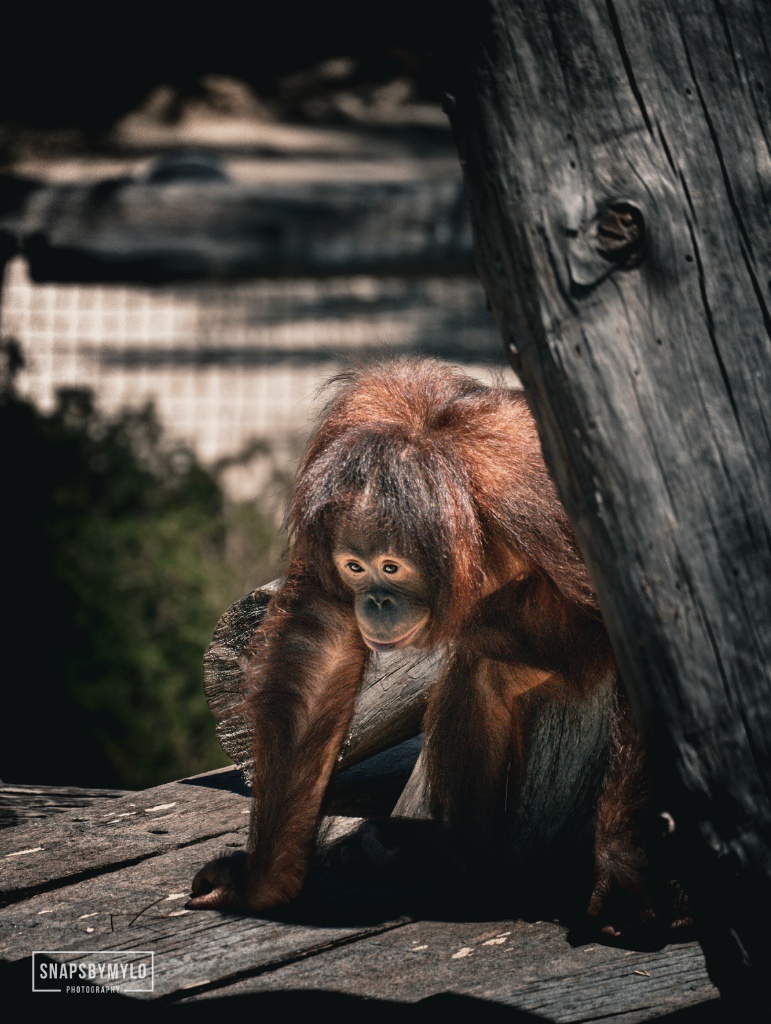
Orangutans are not easy subjects. They move on their own schedule, disappear into canopy you can barely see through, and spend long stretches doing what looks like nothing — until you realise they're doing everything. That stillness is the point. What makes them rewarding to photograph is the quality of their presence. There's a depth behind the eyes that stops you. A young orangutan perched on weathered wood, looking downward into shadow — that image isn't about action. It's about interior life. The photographs that matter aren't captured in a hurry. They're earned through time spent watching, learning to read the animal, and understanding that the best moments are usually preceded by a long, quiet wait.
Understand the Animal
Orangutans are deliberate animals. Everything they do is measured — the way they reach for a branch, the way they pause before shifting their weight, the way they assess space before committing to movement. This deliberateness is your greatest advantage as a photographer, if you learn to read it. Start with stillness. An orangutan that has settled into a resting position — arms folded, gaze dropped downward, fur relaxed across the shoulders — is telling you it feels safe. This is when expression becomes readable. The face softens. The eyes take on that quality of quiet thought. These are your portrait windows. Movement usually announces itself. Watch the hands. When fingers begin to uncurl and reach toward the next branch, movement is coming. Watch the shoulders — a subtle shift in weight is almost always a precursor to travel. If they begin scanning the canopy above and around them with slow, deliberate head turns, they're route-planning. You'll have time to reframe before they go. Feeding behaviour is one of the richest sources of natural gesture. Orangutans use their hands and lips with extraordinary dexterity — peeling, holding, pulling apart. The concentration on the face during feeding is unguarded and genuine. If you see one begin to manipulate a piece of fruit or a branch tip, stay on that face. The expressions that pass through in those moments are worth waiting for. With younger animals, watch for play behaviour — testing branches, hanging for the pleasure of it, sudden bursts of movement followed by stillness. Young orangutans are more impulsive, less predictable. They'll look directly at you with an openness that older animals rarely offer. That eye contact, when it comes, is brief. Be ready before it happens. Flanged adult males move through space with a weight and authority that changes the entire atmosphere of a scene. When one is present, other animals adjust. Watch how the juveniles reposition, how the canopy shifts around the direction of his travel. The relationship between animals in a scene is often more interesting than the animal alone. Bodily context matters too. Wet fur after rain flattens against the body and changes the visual texture entirely — denser, darker, more sculptural. First light and late afternoon bring warmth to that auburn coat that midday cannot produce. Pay attention to the quality of what surrounds the animal as much as the animal itself.
Look Before You Shoot
Before you raise anything to your eye, stand still and look at the whole scene. Where is the light falling? Is it cutting through canopy and landing on the animal's face, or is the animal sitting in open shadow with brightness burning out behind them? Neither is wrong, but you need to understand what you're working with before you commit to a position. Orangutans in dappled canopy light are complex subjects — the patches of brightness and shadow that cross through their fur can either fragment the image or add extraordinary depth, depending on where you place yourself. Background is everything in this environment. The rainforest is visually dense. Without attention to what sits behind your subject, images collapse into noise. Look for natural separation — the dark space between two trees, a break in the canopy that creates an uncluttered opening, the deep shadow behind a branch where your subject's form will read cleanly. Sometimes moving a single step left or right changes the background from chaos to clarity. Position yourself at or below eye level where the terrain allows. Looking up at an orangutan in the canopy creates a natural sense of scale and context. Looking across to one at your level — particularly a young animal on a low branch or fallen structure — opens up the possibility of genuine eye contact and intimate framing. Patience is not passive. While you wait, keep reading the scene. Notice what the animal is doing with its hands, where its gaze is directed, how its body weight is distributed. The image you're about to make already exists in the animal's next three seconds of behaviour — your job is to understand it before it happens. Once you've read the scene, committed to a position, and understood the light — then you wait. And while you wait, you stay present.
Composition Ideas
The Downward Gaze
Look for: An orangutan looking down into shadow or toward the ground below, face angled away from you at a slight angle.
Why it works: The downward gaze creates interiority. It suggests thought, attention directed somewhere private. Combined with the depth of shadow beneath a canopy or along weathered wood, it produces images that feel contemplative rather than documentary. The viewer is drawn into wondering what the animal sees — and that question is where emotional resonance lives.
Hands in Frame
Look for: The hands gripping a branch, holding fruit, or resting open on a surface. Include at least one hand in the frame alongside the face.
Why it works: Orangutan hands are extraordinary — broad, expressive, and unmistakably deliberate in how they hold things. Their inclusion grounds the image in the physical reality of this animal's life. They also create a visual anchor that pulls the eye through the composition naturally.
Fur Against Dark Negative Space
Look for: The animal positioned in front of or against deep shadow — the dark space between trees, the underside of canopy, the shadow cast by dense foliage.
Why it works: Auburn fur against dark backgrounds is one of the most powerful colour contrasts available to you in this environment. The warm tones of the coat separate cleanly from shadow, creating dimension and drawing the subject forward from the frame. You see the texture of the fur in a way that flat or bright backgrounds never allow.
Environmental Scale
Look for: The full animal — or close to it — within its canopy or forest context. Don't crop into the subject. Pull back and include the branch structure, the canopy framing, the vertical lines of the forest.
Why it works: Scale and context tell a story that a tight portrait cannot. An orangutan small within the frame of a vast, tangled canopy communicates something true about how these animals live — suspended, elevated, embedded in complexity. It also makes the portrait images you capture feel more intentional by contrast.
The Held Moment Before Movement
Look for: The brief pause between stillness and action — when the body is tensed and the eyes have locked onto the next destination but the animal hasn't moved yet.
Why it works: There is an energy in this pause that photographs remarkably well. The body tells one story — coiled, prepared — while the face tells another. It is compositionally dynamic even without movement, because the viewer senses what is about to happen.
Framing Through Canopy
Look for: Leaves, branches, or vines in the near foreground that partially frame the animal beyond them.
Why it works: Natural foreground framing creates depth and places the viewer inside the forest environment rather than looking at it from outside. When done with intention, the out-of-focus foreground vegetation adds context without distracting — and the subject reads as discovered rather than staged.
Direct Eye Contact
Look for: The moment the animal turns and looks directly toward you. Brief, often unexpected. With young animals, more frequent.
Why it works: Eye contact between subject and viewer collapses the distance between species. There is no composition technique that produces the impact of a held gaze. When it happens, everything else in the frame becomes secondary. The only requirement is that you're already positioned, already present, already ready.
Texture Study — Fur, Wood, and Rain
Look for: The animal's coat against a surface with visual texture of its own — weathered bark, wet branch, rough wood. Look for tonal contrast between the two textures.
Why it works: Photographing texture against texture creates richness in the image. Wet or post-rain conditions intensify this — the fur darkens and flattens, the wood deepens in tone, and the contrast between the two becomes more defined. The result is images with weight and tactility.
The Juvenile in Motion
Look for: A young orangutan mid-swing, reaching between branches, or testing its grip on a new surface.
Why it works: Young animals in motion carry a joy and spontaneity that reads immediately. The energy is loose, exploratory, unselfconscious. Framing a juvenile mid-movement — arms extended, body suspended — captures something about early life that transcends species.
Silhouette Against Canopy Opening
Look for: The animal positioned between you and an open break in the canopy where sky or diffused light creates a bright background. Expose for the background, not the animal.
Why it works: A clean silhouette — recognisable by the distinctive orangutan body shape, long arms, rounded head — strips the image back to form and removes all distraction. The shape itself carries the story. It is one of the most graphically powerful compositions available in a forest environment.
Moments Worth Waiting For
- —The direct, unhurried gaze turned toward you — eyes fully visible, expression unguarded, lasting no more than three seconds
- —A juvenile testing a branch alone for the first time, all attention and effort, unaware of anything else
- —The pause after feeding when the animal sits back, food held loosely, face relaxed and open
- —An orangutan lifting its face toward light breaking through the canopy — the way the warmth reads across closed eyes
- —The slow arm-over-arm travel through canopy, body fully extended between anchor points — the full expression of how they're built to move
- —Grooming — either self-grooming or between a mother and infant — where the concentration on the face is total
- —Rain settling into the fur, changing the texture and colour of the coat entirely, the animal drawing its arms in against its body
- —A mother and infant — the infant's hand gripping her fur, the geometry of two bodies fitted together
- —The long, motionless rest — where the animal becomes almost architectural within the branch structure, and stillness becomes the subject
- —The first movement after stillness — when intention shows in the body before action follows
Field Notes
What I noticed
The young orangutan on that section of weathered wood wasn't moving. Not resting in the way an animal sleeps, but sitting with a quality of attention — looking down into the shadow below the branch as if the answer to something was there. The fur was dry, warm-toned in the filtered light, almost copper at the edges where the light caught individual hairs. What held me was the absence of performance. It wasn't reacting to me. It was simply somewhere else in its attention.
What I waited for
I waited for the face to stay in that downward angle long enough to feel settled rather than transitional. There were three or four moments earlier where the head dropped and then came back up quickly. I waited for the body to stop carrying that readiness-to-move quality — for the shoulders to drop, the grip to loosen slightly. When those two things happened together, the image became available.
What I ignored
There was more activity elsewhere — an adult moving through canopy about thirty metres away, another younger animal making noise in the branches above. I ignored all of it. The scene in front of me had everything it needed: a clear subject, a readable background, light that was working. Chasing the other movement would have cost me the image I was already inside.
What created the strongest image
The dark wood. That weathered surface against the auburn coat created a tonal contrast that gave the image its structure. Without that darkness in the background and the surface below, the fur would have had nowhere to separate into. The animal's downward gaze completed it — it created stillness without passivity, presence without confrontation. The image worked because the elements were already there. I just stayed long enough to see them arrange themselves.
Conservation Insight
Orangutans are critically endangered. Sumatra's population in particular exists in fragments — isolated by decades of deforestation driven by palm oil expansion, logging, and land conversion. These are not abstract pressures. They are visible in the landscape. Photographing orangutans carries responsibility. The image you make can speak for the animal in spaces it will never reach. That is not a small thing. Every photograph that makes a person stop and look — really look — is a case made for the habitat these animals need to survive. Witness carefully. Share honestly.
Instagram Feed Cover
Photographs of Orangutan
Fine art prints available in limited and open editions.
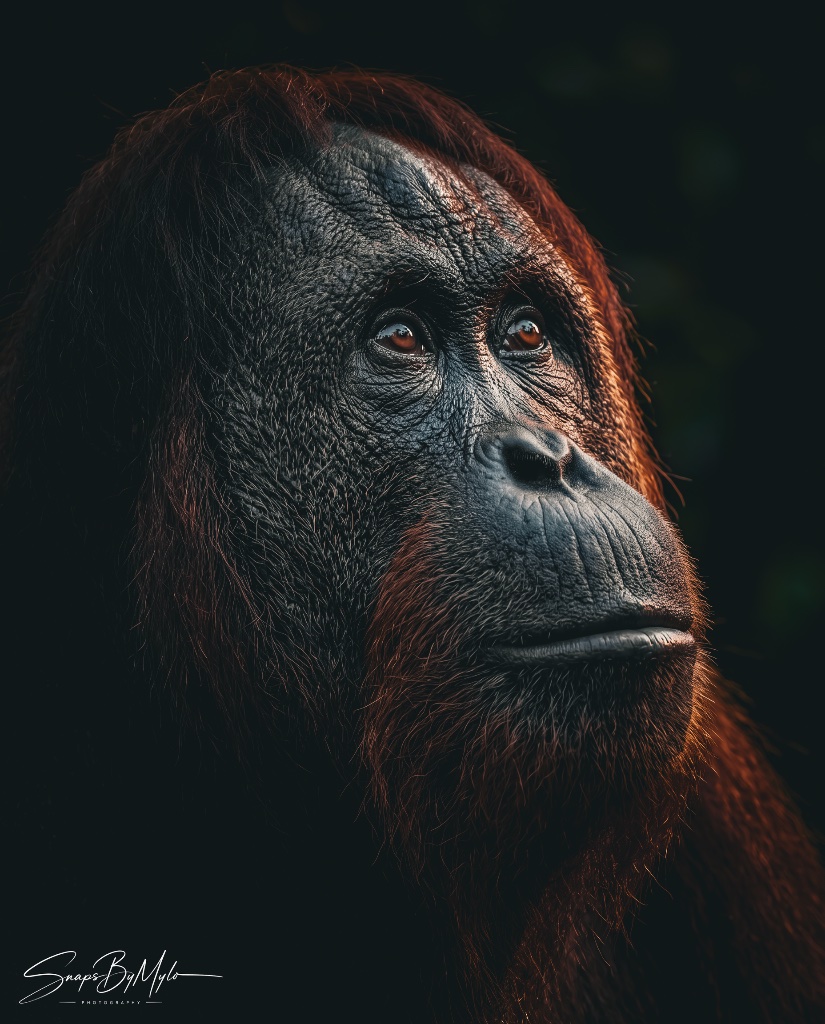
Orangutan — Rim Lit
Limited Edition
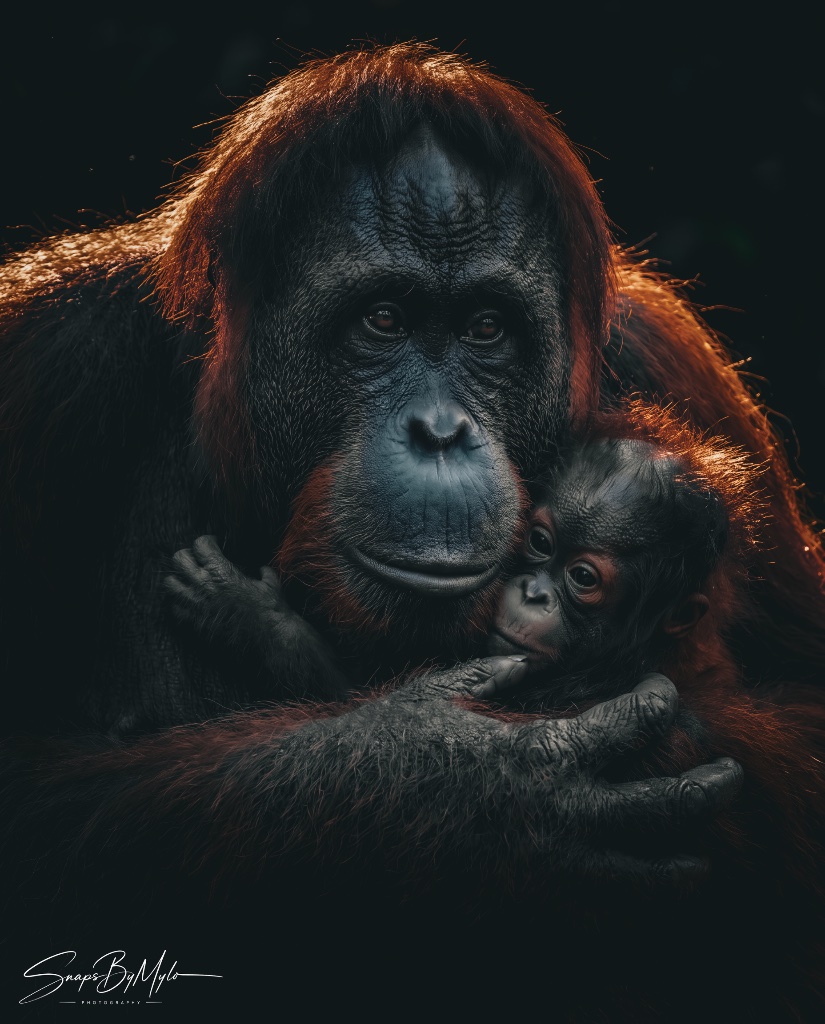
Orangutan — Mother & Child
Limited Edition
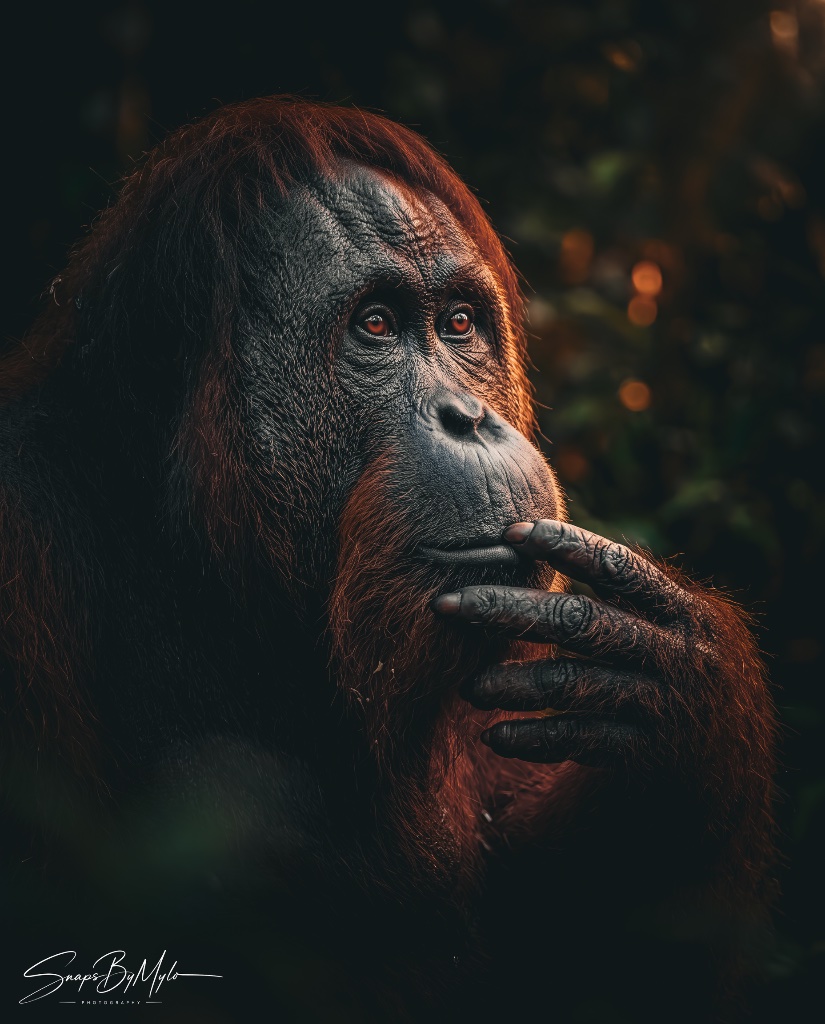
Orangutan — Contemplation
Limited Edition
Orangutan
Limited Edition
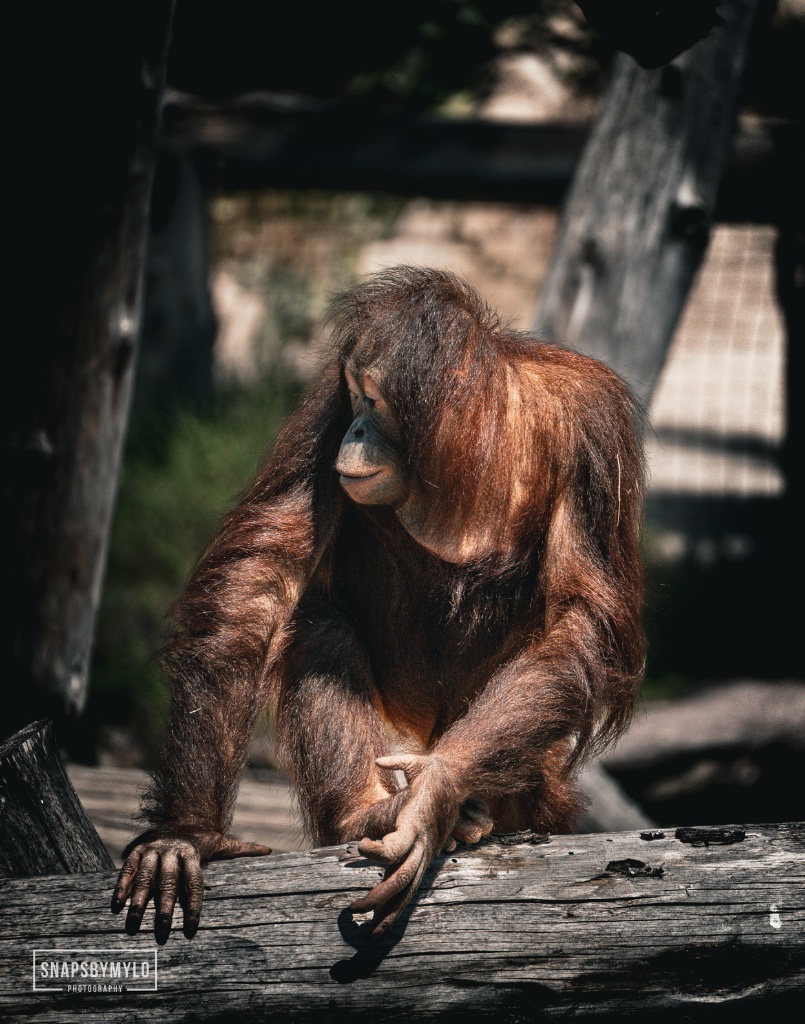
Orangutan Portrait
Open Edition
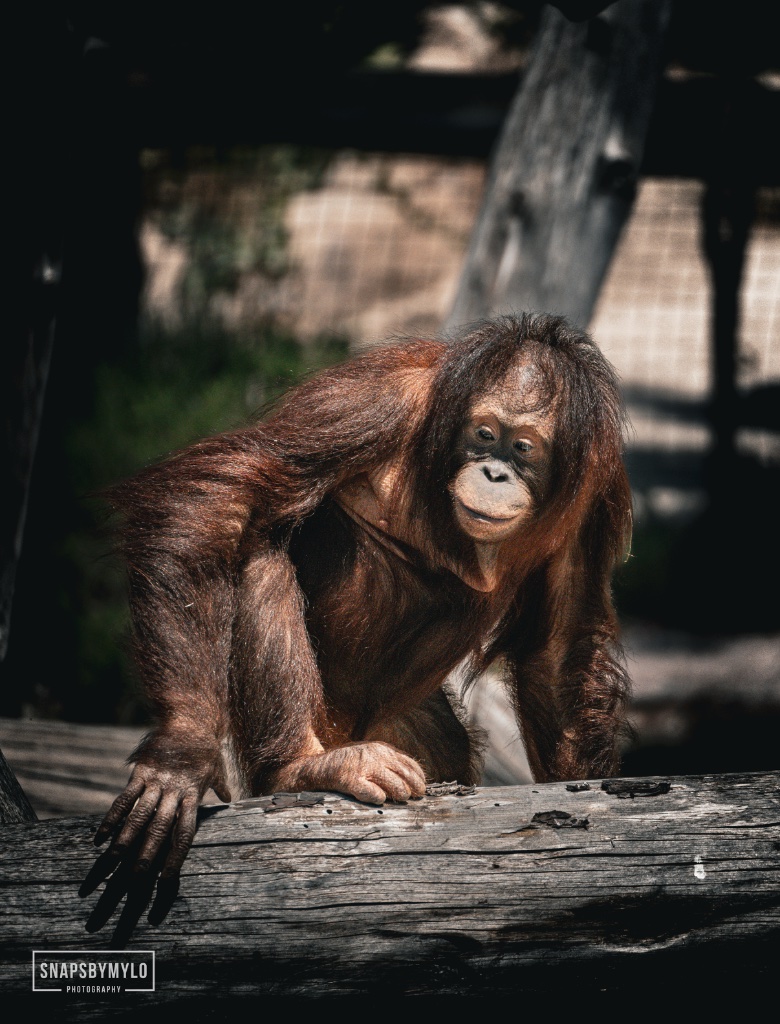
Orangutan Gaze
Open Edition
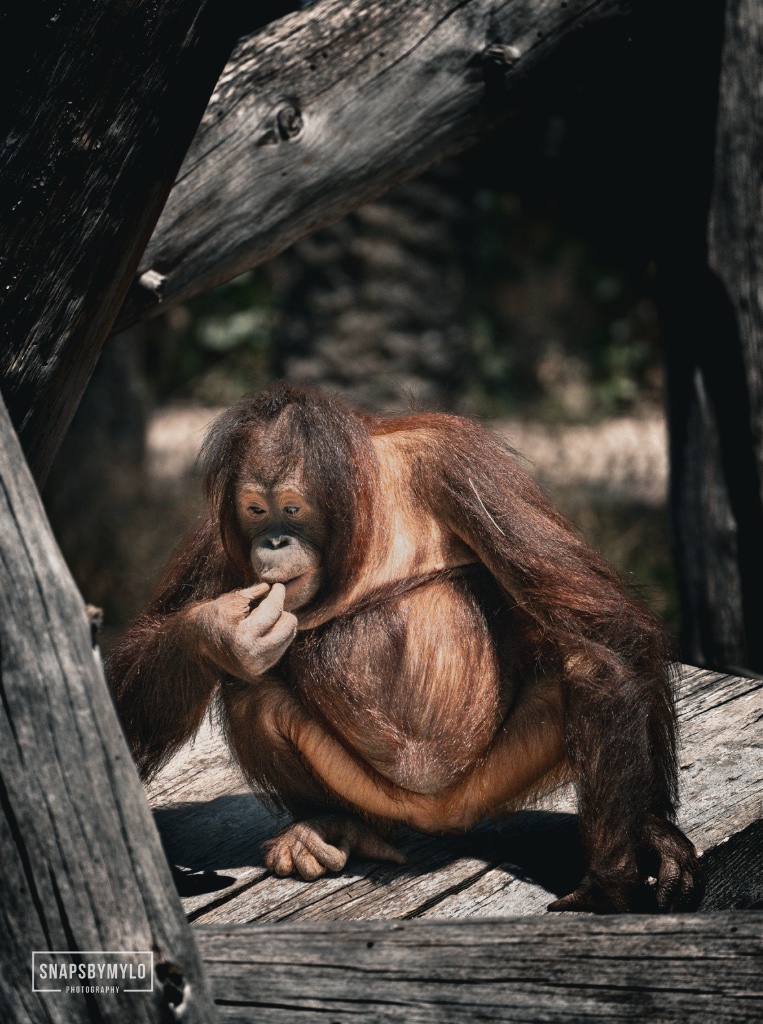
Orangutan Grooming
Open Edition
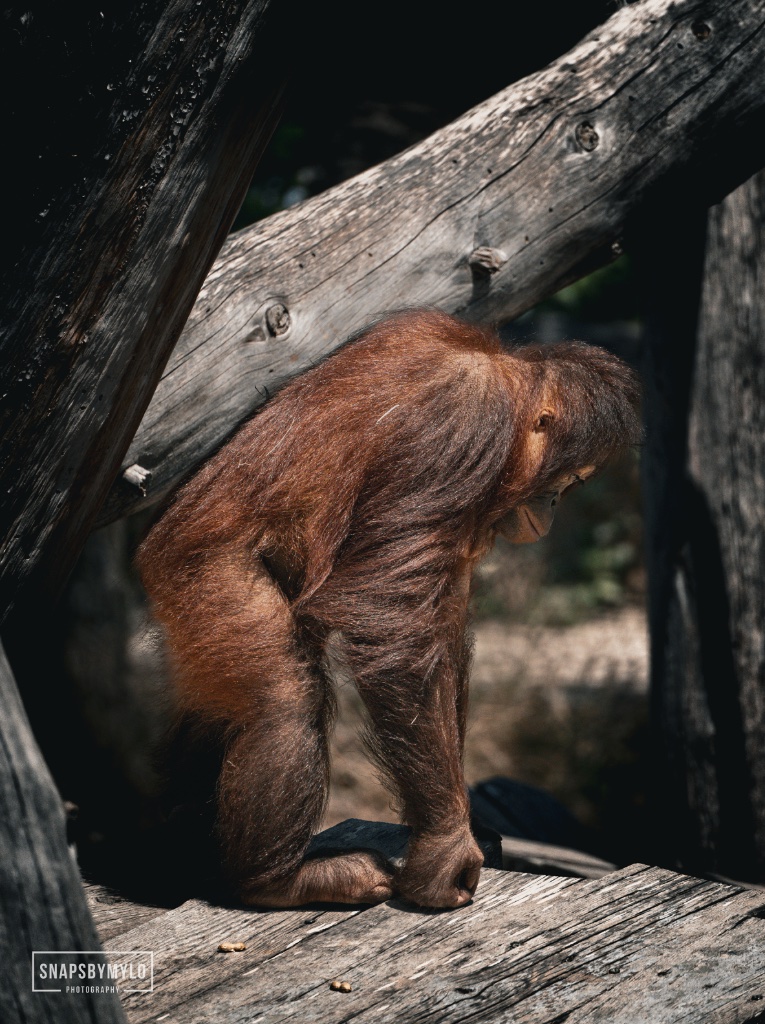
Orangutan Profile
Open Edition
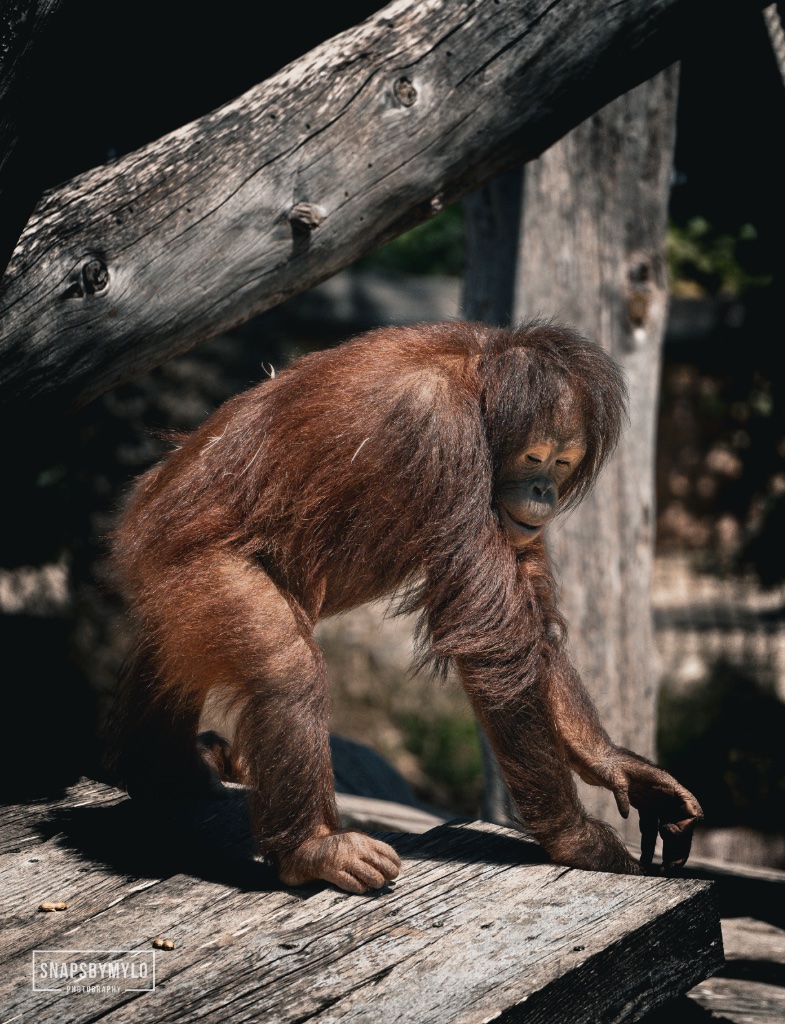
Orangutan Contemplation
Open Edition
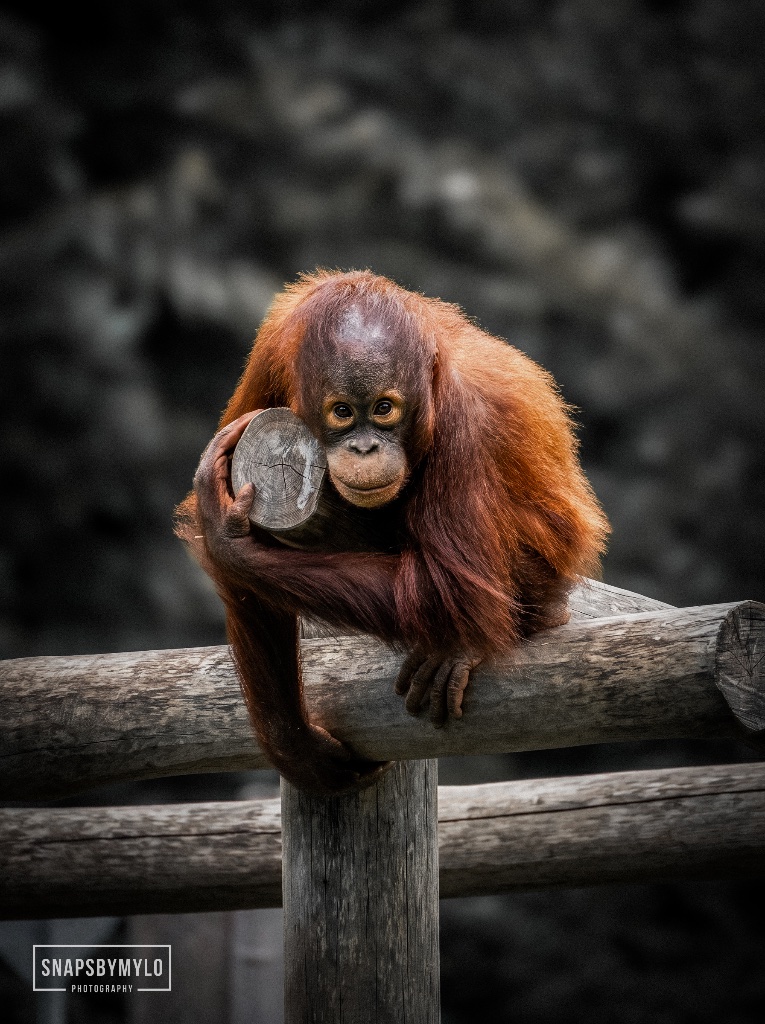
Orangutan Reflection
Limited Edition
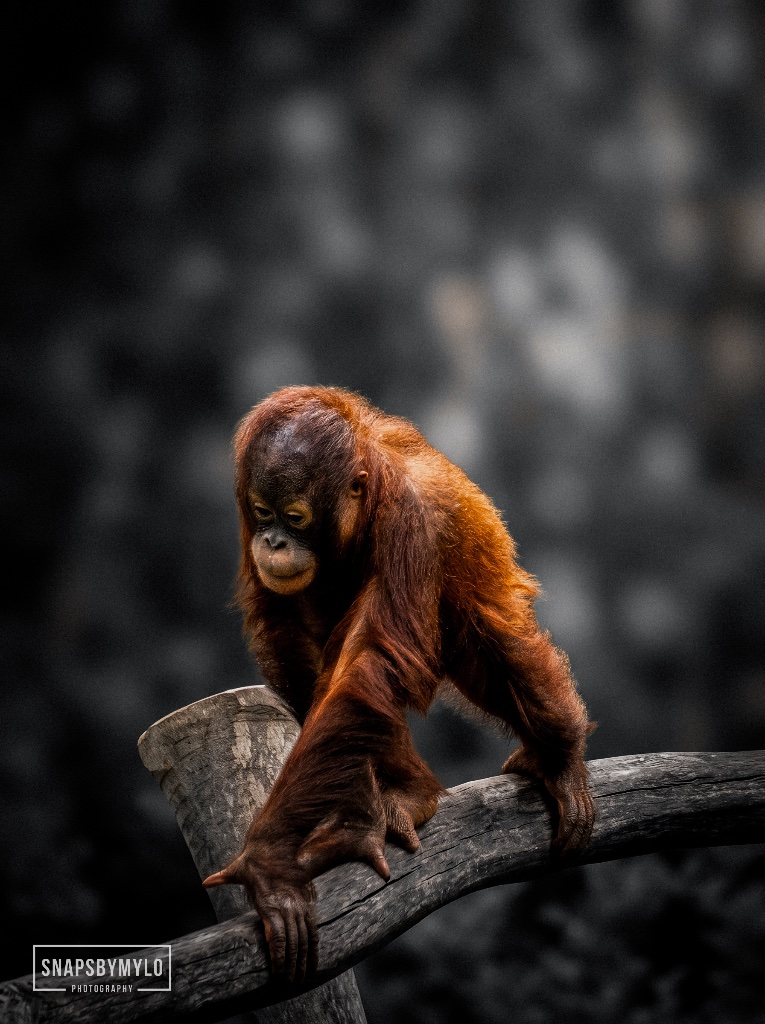
Orangutan Reach
Open Edition
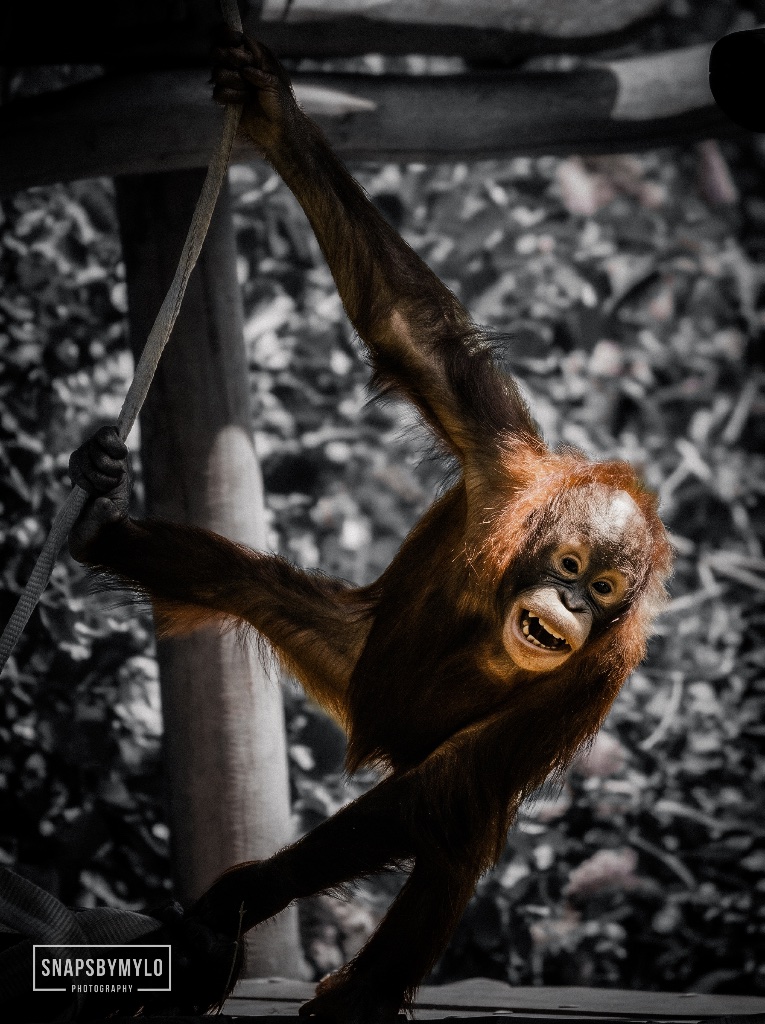
Orangutan Play
Open Edition